
Cookie preferences
This website uses cookies, which are necessary for the technical operation of the website and are always set. Other cookies, which increase the comfort when using this website, are used for direct advertising or to facilitate interaction with other websites and social networks, are only set with your consent.
Configuration
Technically required
These cookies are necessary for the basic functions of the shop.
"Allow all cookies" cookie
"Decline all cookies" cookie
CSRF token
Cookie preferences
Currency change
Customer-specific caching
FACT-Finder tracking
Individual prices
Selected shop
Session
Comfort functions
These cookies are used to make the shopping experience even more appealing, for example for the recognition of the visitor.
Note
Show the facebook fanpage in the right blod sidebar
Statistics & Tracking
Affiliate program
Conversion and usertracking via Google Tag Manager
Track device being used



| Item number | Size | Datasheet | Manual | SDS | Delivery time | Quantity | Price |
|---|---|---|---|---|---|---|---|
| NSJ-FY12143 | 100 µg | - | - |
3 - 10 business days* |
790.00€
|
If you have any questions, please use our Contact Form.
You can also order by e-mail: info@biomol.com
Larger quantity required? Request bulk
You can also order by e-mail: info@biomol.com
Larger quantity required? Request bulk
Adding 0.2 ml of distilled water will yield a concentration of 500 ug/ml. TNIK antibody detects... more
Product information "Anti-TNIK / Traf2 and Nck-interacting kinase"
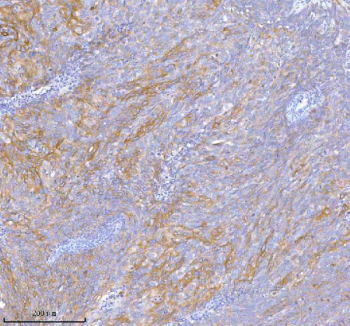
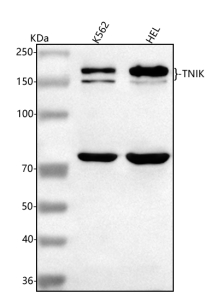
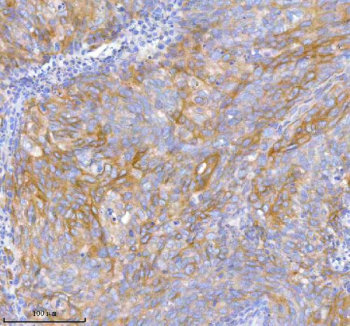
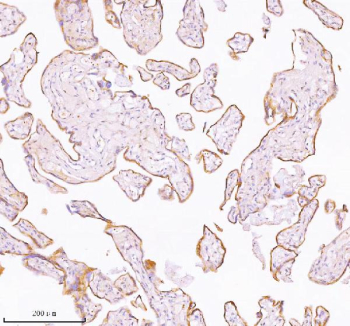
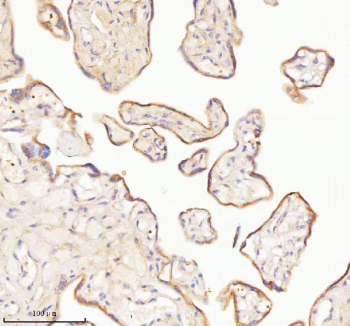
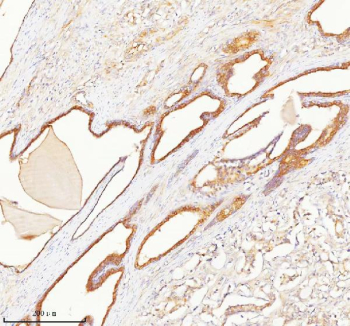
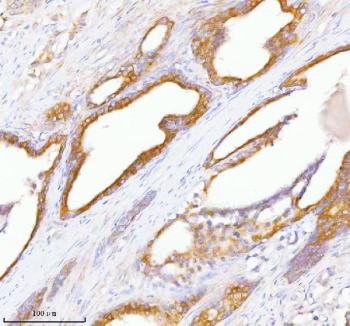
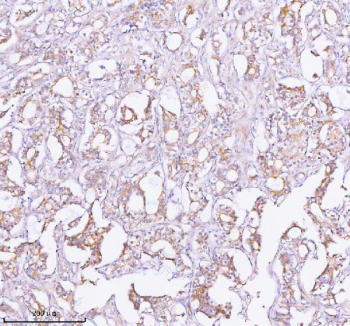
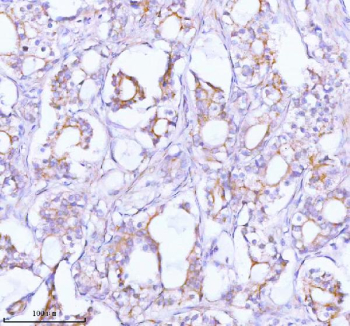
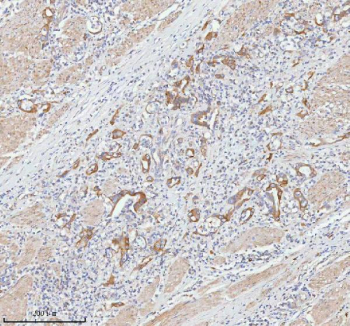
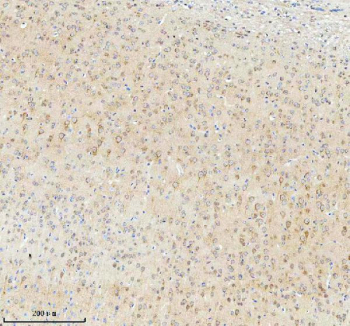
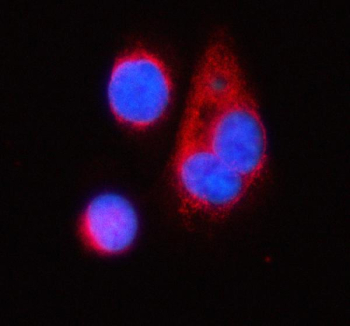
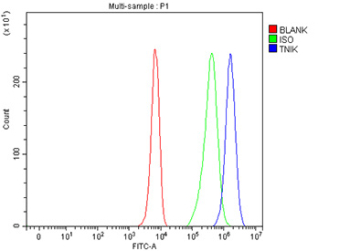
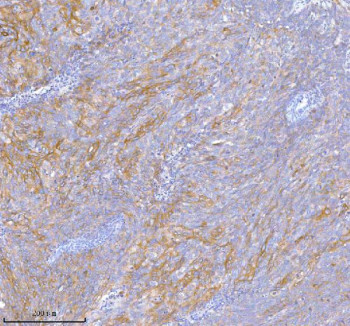
Adding 0.2 ml of distilled water will yield a concentration of 500 ug/ml. TNIK antibody detects Traf2 and Nck-interacting kinase, encoded by the TNIK gene on chromosome 3q26.32. TNIK antibody is widely used to study this serine/threonine kinase of the germinal center kinase family, which integrates multiple signaling pathways regulating cytoskeletal organization, transcription, and cell fate. TNIK was originally identified as a binding partner of the TNF receptor adaptor Traf2 and the adaptor protein Nck, linking it to stress and growth factor pathways. It is expressed in many tissues, including brain, gastrointestinal tract, and immune cells, and plays key roles in neuronal development, cancer biology, and Wnt signaling.Structurally, TNIK contains an N-terminal kinase domain, a coiled-coil domain, and a C-terminal citron homology domain. These regions enable TNIK to interact with multiple proteins, including beta-catenin, TCF4, and signaling adaptors. Its kinase domain phosphorylates downstream effectors that regulate actin cytoskeleton remodeling, while its scaffold domains recruit transcription factors and signaling molecules. This modular structure allows TNIK to act as both a kinase and adaptor, coordinating signaling complexes.Functionally, TNIK is a central regulator of Wnt/beta-catenin signaling. It forms complexes with TCF4 and beta-catenin, phosphorylating transcriptional cofactors to drive expression of Wnt target genes. This activity is critical for stem cell maintenance, proliferation, and differentiation. TNIK also regulates actin cytoskeleton dynamics through Rho family GTPase signaling, influencing cell adhesion, migration, and polarity. In neurons, TNIK contributes to dendritic spine development, synaptic signaling, and memory formation. Knockout and knockdown studies reveal that TNIK deficiency impairs brain development and cognitive function.Clinically, TNIK is strongly implicated in cancer. Overexpression is observed in colorectal, gastric, and hepatocellular carcinomas, where it sustains aberrant Wnt activity and tumor progression. Inhibiting TNIK suppresses tumor growth in preclinical models, making it a potential therapeutic target. TNIK has also been linked to psychiatric conditions, including schizophrenia, where altered expression and signaling affect neuronal pathways. Researchers rely on TNIK antibody to study its function in transcriptional regulation, cytoskeletal control, and disease progression.Experimentally, TNIK antibody is used in western blotting to detect the ~160 kDa protein, in immunofluorescence to examine subcellular localization, and in immunohistochemistry to map tissue-specific expression. Co-immunoprecipitation with TNIK antibody identifies binding partners including beta-catenin and TCF4, confirming its role in Wnt transcriptional complexes. NSJ Bioreagents provides TNIK antibody to support research in cancer biology, neuroscience, and developmental signaling.
| Keywords: | Anti-TNIK, Anti-TRAF2 and NCK-interacting protein kinase, TNIK Antibody / Traf2 and Nck-interacting kinase |
| Supplier: | NSJ Bioreagents |
| Supplier-Nr: | FY12143 |
Properties
| Application: | WB, IHC, ICC, IF, FC, ELISA |
| Antibody Type: | Polyclonal |
| Conjugate: | No |
| Host: | Rabbit |
| Species reactivity: | human, mouse |
| Immunogen: | E.coli-derived human TNIK recombinant protein (Position: H553-E886) |
| Format: | Purified |
Database Information
| KEGG ID : | K08840 | Matching products |
| UniProt ID : | Q9UKE5 | Matching products |
| Gene ID : | GeneID 23043 | Matching products |
Handling & Safety
| Storage: | +4°C |
| Shipping: | +4°C (International: +4°C) |
Caution
Our products are for laboratory research use only: Not for administration to humans!
Our products are for laboratory research use only: Not for administration to humans!
Information about the product reference will follow.
more
You will get a certificate here
Viewed