
Cookie preferences
This website uses cookies, which are necessary for the technical operation of the website and are always set. Other cookies, which increase the comfort when using this website, are used for direct advertising or to facilitate interaction with other websites and social networks, are only set with your consent.
Configuration
Technically required
These cookies are necessary for the basic functions of the shop.
"Allow all cookies" cookie
"Decline all cookies" cookie
CSRF token
Cookie preferences
Currency change
Customer-specific caching
FACT-Finder tracking
Individual prices
Selected shop
Session
Comfort functions
These cookies are used to make the shopping experience even more appealing, for example for the recognition of the visitor.
Note
Show the facebook fanpage in the right blod sidebar
Statistics & Tracking
Affiliate program
Conversion and usertracking via Google Tag Manager
Track device being used



| Item number | Size | Datasheet | Manual | SDS | Delivery time | Quantity | Price |
|---|---|---|---|---|---|---|---|
| ELK-EM1044.50 | 50 µl | - | - |
10 - 15 business days* |
173.00€
|
||
| ELK-EM1044.100 | 100 µl | - | - |
10 - 15 business days* |
288.00€
|
If you have any questions, please use our Contact Form.
You can also order by e-mail: info@biomol.com
Larger quantity required? Request bulk
You can also order by e-mail: info@biomol.com
Larger quantity required? Request bulk
The epidermal growth factor receptor (EGFR, ErbB-1, HER1 in humans) is the cell-surface receptor... more
Product information "Anti-EGFR, monoclonal"
The epidermal growth factor receptor (EGFR, ErbB-1, HER1 in humans) is the cell-surface receptor for members of the epidermal growth factor family (EGF-family) of extracellular protein ligands. Known ligands include EGF, TGFA/TGF-alpha, amphiregulin, epigen/EPGN, BTC/betacellulin, epiregulin/EREG and HBEGF/heparin-binding EGF. Ligand binding triggers receptor homo- and/or heterodimerization and autophosphorylation on key cytoplasmic residues. The phosphorylated receptor recruits adapter proteins like GRB2 which in turn activates complex downstream signaling cascadesbeta-Actin is one of six different actin isoforms that have been identified. The actin molecules found in cells of various species and tissues tend to be very similar in their immunological and physical properties. Therefore, Antibodies against beta-Actin are useful as loading controls for Western Blotting. However it should be noted that levels of beta-Actin may not be stable in certain cells. For example, expression of beta-Actin in adipose tissue is very low and therefore beta-Actin should not be used as loading control for these tissues. Protein Function: Receptor tyrosine kinase binding ligands of the EGF family and activating several signaling cascades to convert extracellular cues into appropriate cellular responses (PubMed:10805725, PubMed:27153536, PubMed:2790960, PubMed:35538033). Known ligands include EGF, TGFA/TGF-alpha, AREG, epigen/EPGN, BTC/betacellulin, epiregulin/EREG and HBEGF/heparin-binding EGF (PubMed:12297049, PubMed:15611079, PubMed:17909029, PubMed:20837704, PubMed:27153536, PubMed:2790960, PubMed:7679104, PubMed:8144591, PubMed:9419975). Ligand binding triggers receptor homo- and/or heterodimerization and autophosphorylation on key cytoplasmic residues. The phosphorylated receptor recruits adapter proteins like GRB2 which in turn activates complex downstream signaling cascades. Activates at least 4 major downstream signaling cascades including the RAS-RAF-MEK-ERK, PI3 kinase-AKT, PLCgamma-PKC and STATs modules (PubMed:27153536). May also activate the NF-kappa-B signaling cascade (PubMed:11116146). Also directly phosphorylates other proteins like RGS16, activating its GTPase activity and probably coupling the EGF receptor signaling to the G protein-coupled receptor signaling (PubMed:11602604). Also phosphorylates MUC1 and increases its interaction with SRC and CTNNB1/beta-catenin (PubMed:11483589). Positively regulates cell migration via interaction with CCDC88A/GIV which retains EGFR at the cell membrane following ligand stimulation, promoting EGFR signaling which triggers cell migration (PubMed:20462955). Plays a role in enhancing learning and memory performance (By similarity). Plays a role in mammalian pain signaling (long-lasting hypersensitivity) (By similarity) , Isoform 2 may act as an antagonist of EGF action , (Microbial infection) Acts as a receptor for hepatitis C virus (HCV) in hepatocytes and facilitates its cell entry. Mediates HCV entry by promoting the formation of the CD81-CLDN1 receptor complexes that are essential for HCV entry and by enhancing membrane fusion of cells expressing HCV envelope glycoproteins [The Uniprot Consortium]
| Keywords: | Anti-EGFR, Anti-Proto-oncogene c-ErbB-1, Anti-Epidermal growth factor receptor, Anti-Receptor tyrosine-protein kinase erbB-1, EGFR Mouse mAb |
| Supplier: | ELK Biotechnology |
| Supplier-Nr: | EM1044 |
Properties
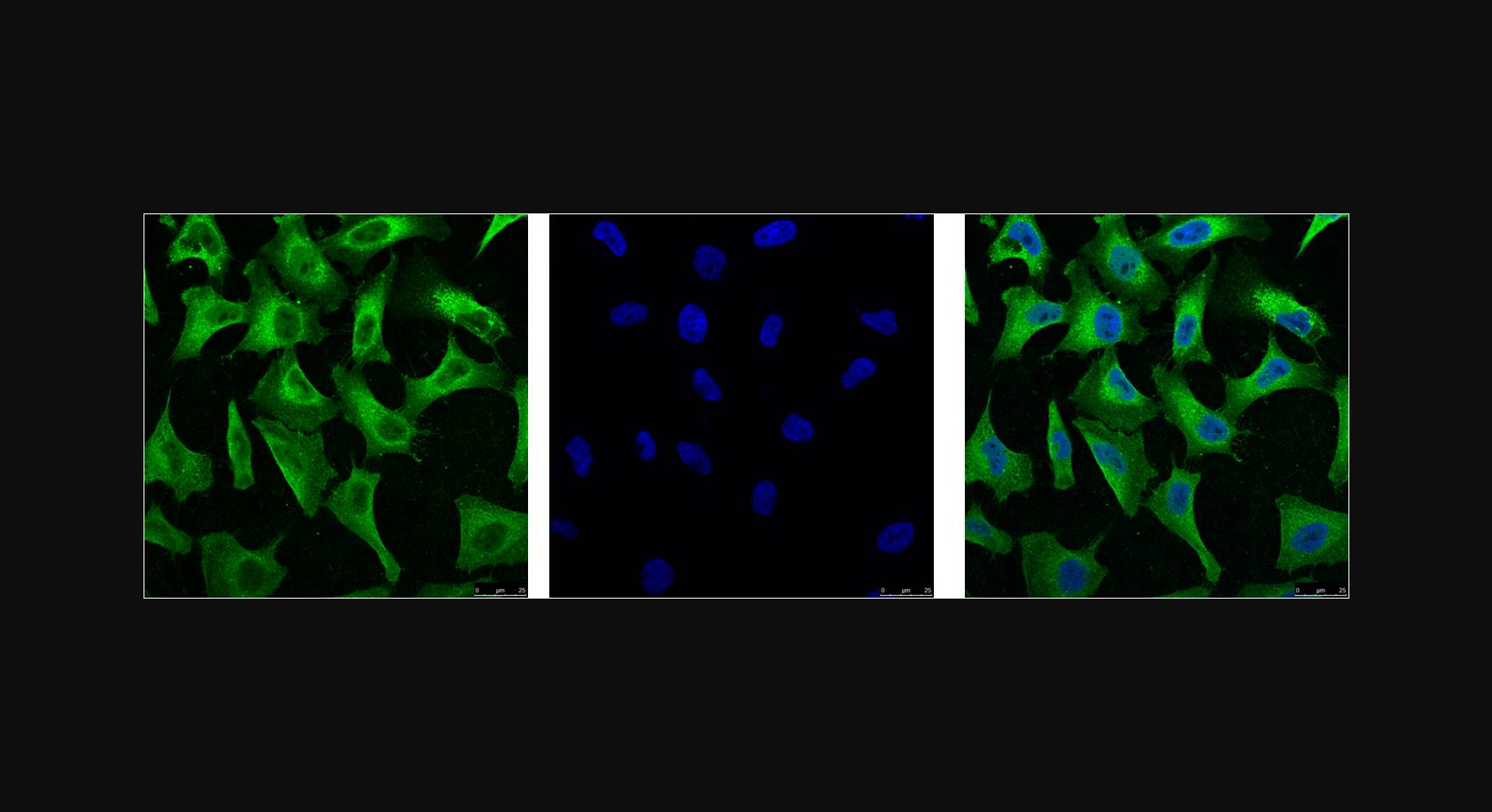
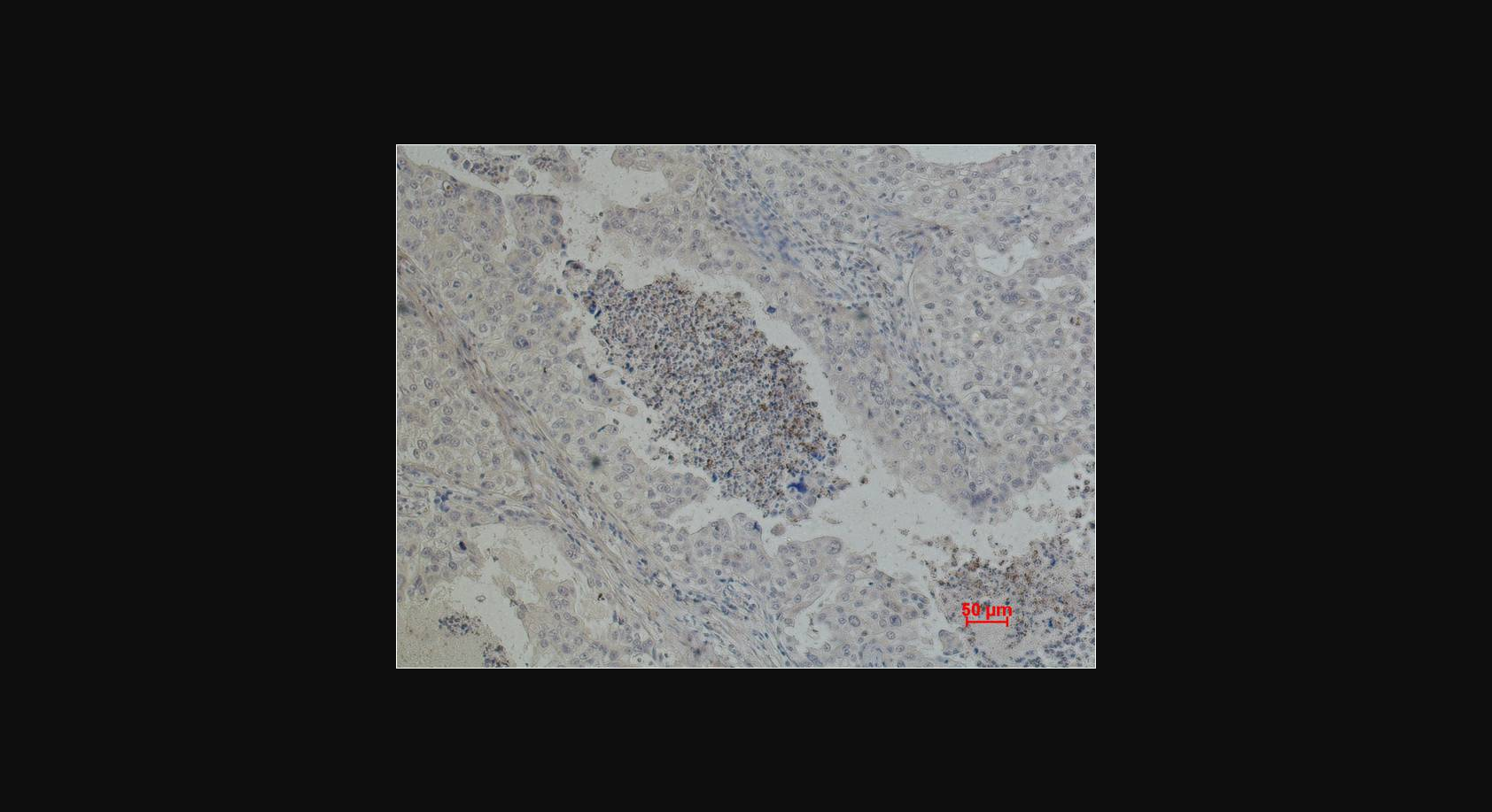
| Application: | WB, IHC, IF |
| Antibody Type: | Monoclonal |
| Conjugate: | No |
| Host: | Mouse |
| Species reactivity: | human |
| Immunogen: | synthetic peptide |
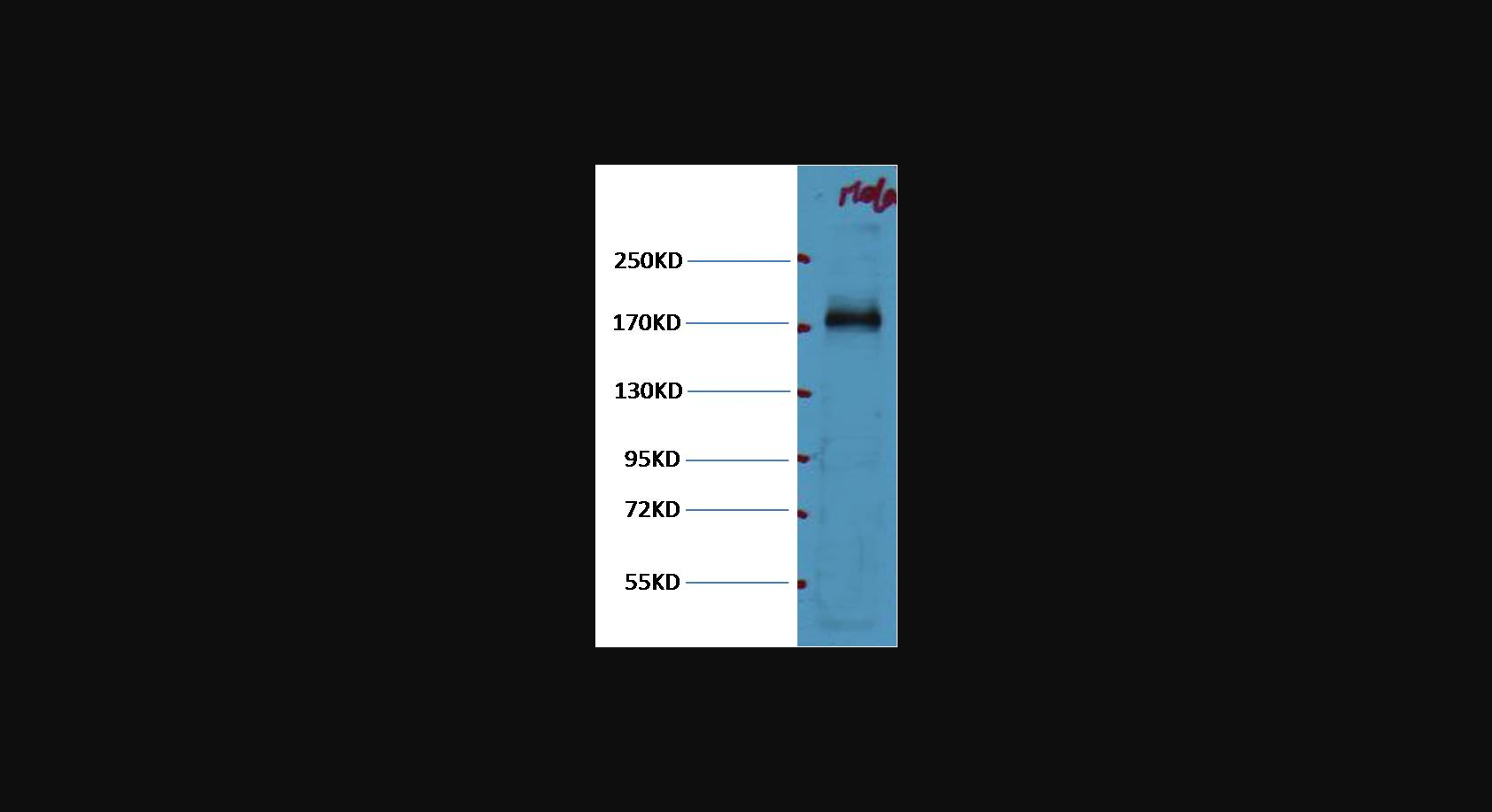
| MW: | 170 kD |
| Format: | Solution |
Database Information
| KEGG ID : | K04361 | Matching products |
| UniProt ID : | P00533 | Matching products |
| Gene ID : | GeneID 1956 | Matching products |
Handling & Safety
| Storage: | -20°C (avoid repeat freezing and thawing cycles) |
| Shipping: | +4°C (International: +4°C) |
Caution
Our products are for laboratory research use only: Not for administration to humans!
Our products are for laboratory research use only: Not for administration to humans!
You will get a certificate here
Viewed