
Cookie preferences
This website uses cookies, which are necessary for the technical operation of the website and are always set. Other cookies, which increase the comfort when using this website, are used for direct advertising or to facilitate interaction with other websites and social networks, are only set with your consent.
Configuration
Technically required
These cookies are necessary for the basic functions of the shop.
"Allow all cookies" cookie
"Decline all cookies" cookie
CSRF token
Cookie preferences
Currency change
Customer-specific caching
FACT-Finder tracking
Individual prices
Selected shop
Session
Comfort functions
These cookies are used to make the shopping experience even more appealing, for example for the recognition of the visitor.
Note
Show the facebook fanpage in the right blod sidebar
Statistics & Tracking
Affiliate program
Conversion and usertracking via Google Tag Manager
Track device being used


| Item number | Size | Datasheet | Manual | SDS | Delivery time | Quantity | Price |
|---|---|---|---|---|---|---|---|
| NSJ-FY12822 | 100 µl | - | - |
3 - 10 business days* |
790.00€
|
If you have any questions, please use our Contact Form.
You can also order by e-mail: info@biomol.com
Larger quantity required? Request bulk
You can also order by e-mail: info@biomol.com
Larger quantity required? Request bulk
Rabbit IgG in phosphate buffered saline, pH 7.4, 150mM NaCl, 0.02% sodium azide and 50% glycerol,... more
Product information "Anti-phospho-Phospholamban (S16) / PLN, clone 32P55"
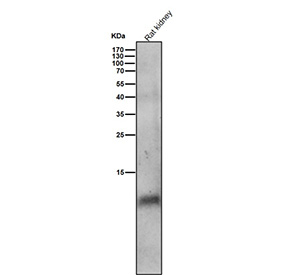
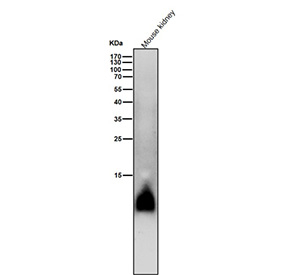
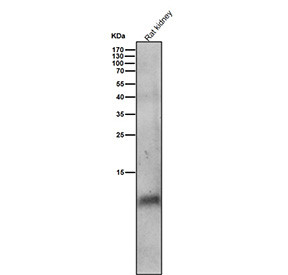
Rabbit IgG in phosphate buffered saline, pH 7.4, 150mM NaCl, 0.02% sodium azide and 50% glycerol, 0.4-0.5mg/ml BSA. Phospho-Phospholamban (S16) antibody detects PHOSPHOLAMBAN, encoded by the PLN gene, when phosphorylated at serine 16. Alternate names include cardiac phospholamban, PLB, and phospholamban phosphoprotein. PHOSPHOLAMBAN is a small transmembrane protein in the sarcoplasmic reticulum of cardiac and skeletal muscle. It regulates SERCA2a, the sarcoplasmic reticulum Ca2+ ATPase responsible for calcium uptake during muscle relaxation. In its unphosphorylated state, PHOSPHOLAMBAN inhibits SERCA2a. Phosphorylation at serine 16 by PKA relieves this inhibition, enhancing calcium uptake, promoting relaxation, and increasing cardiac contractility.Phospho-Phospholamban (S16) antibody is widely applied in cardiovascular biology, muscle physiology, and signaling research. By detecting phosphorylation at serine 16, researchers can study how beta adrenergic signaling enhances cardiac output through PKA mediated regulation of calcium cycling. This site specific antibody allows distinction between active and inhibited PHOSPHOLAMBAN, providing insights into heart function under physiological and pathological conditions.Applications include western blotting, immunohistochemistry, immunofluorescence, and ELISA. Western blot assays detect phosphorylated PHOSPHOLAMBAN in heart lysates, immunohistochemistry maps phosphorylation in cardiac tissue sections, and immunofluorescence highlights localization in sarcoplasmic reticulum. ELISA assays allow quantification of phosphorylation status in experimental models. These techniques provide direct evidence of cardiac signaling events.Dysregulation of PHOSPHOLAMBAN phosphorylation contributes to heart failure, arrhythmias, and cardiomyopathies. Mutations in PLN cause inherited dilated cardiomyopathy and arrhythmogenic right ventricular cardiomyopathy. Monitoring serine 16 phosphorylation provides biomarkers for disease progression and therapy efficacy. By applying Phospho-Phospholamban (S16) antibody, scientists can investigate how altered signaling leads to impaired cardiac relaxation and contractility.Phosphorylation of PHOSPHOLAMBAN is also studied in exercise physiology, where beta adrenergic stimulation enhances contractility. The antibody supports research into how training, drugs, and genetic variants influence calcium cycling. Translational applications include evaluation of therapeutic interventions targeting SERCA2a regulation, such as gene therapy or pharmacologic modulators. NSJ Bioreagents offers Phospho-Phospholamban (S16) antibody with validated specificity, supporting robust research into cardiac physiology and disease.
| Keywords: | Anti-phospho-PLN, Anti-phospho-Phospholamban, Phospho-Phospholamban (S16) Antibody / PLN |
| Supplier: | NSJ Bioreagents |
| Supplier-Nr: | FY12822 |
Properties
| Application: | WB |
| Antibody Type: | Monoclonal |
| Clone: | 32P55 |
| Conjugate: | No |
| Host: | Rabbit |
| Species reactivity: | human, mouse |
| Immunogen: | A synthesized peptide derived from human Phospho-Phospholamban (S16) |
| Format: | Purified |
Database Information
| KEGG ID : | K05852 | Matching products |
| UniProt ID : | P26678 | Matching products |
| Gene ID : | GeneID 5350 | Matching products |
Handling & Safety
| Storage: | -20°C |
| Shipping: | -20°C (International: -20°C) |
Caution
Our products are for laboratory research use only: Not for administration to humans!
Our products are for laboratory research use only: Not for administration to humans!
Information about the product reference will follow.
more
You will get a certificate here
Viewed