This website uses cookies, which are necessary for the technical operation of the website and are always set. Other cookies, which increase the comfort when using this website, are used for direct advertising or to facilitate interaction with other websites and social networks, are only set with your consent.
Configuration
Technically required
These cookies are necessary for the basic functions of the shop.
"Allow all cookies" cookie
"Decline all cookies" cookie
CSRF token
Cookie preferences
Currency change
Customer-specific caching
FACT-Finder tracking
Individual prices
Selected shop
Session
Comfort functions
These cookies are used to make the shopping experience even more appealing, for example for the recognition of the visitor.
Note
Show the facebook fanpage in the right blod sidebar
Statistics & Tracking
Affiliate program
Conversion and usertracking via Google Tag Manager
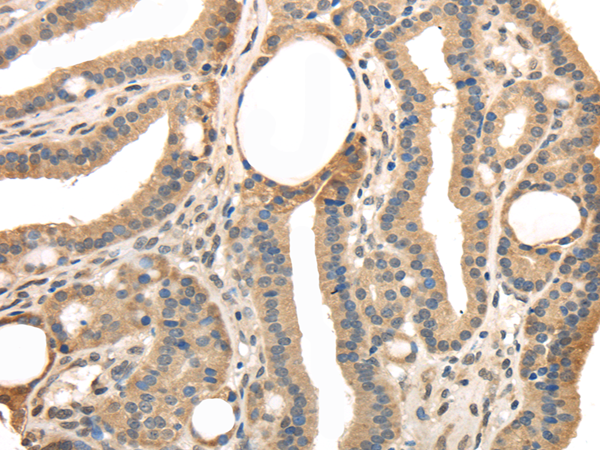
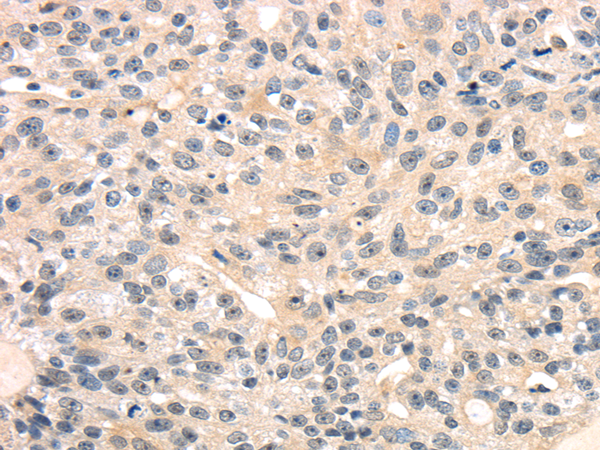
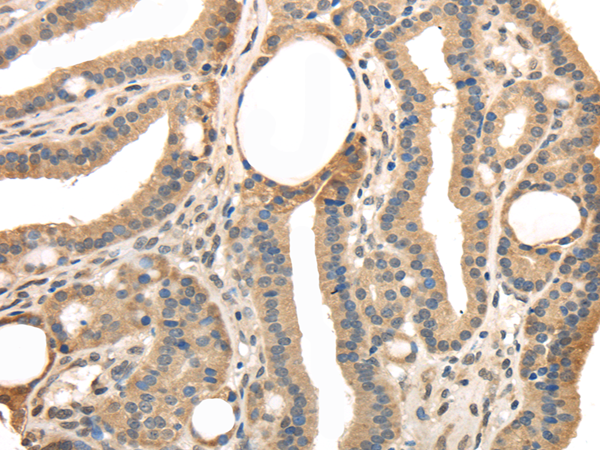
The protein encoded by this gene is a putative protein kinase that is induced by the transcription factor NF-kappaB. The encoded protein is a negative regulator of NF-kappaB and can also sensitize cells to TNF- and TRAIL-induced apoptosis. In addition, this protein can negatively regulate the cell survival serine-threonine kinase AKT1. Differential promoter usage and alternate splicing result in multiple transcript variants. Protein function: Disrupts insulin signaling by binding directly to Akt kinases and blocking their activation. May bind directly to and mask the 'Thr-308' phosphorylation site in AKT1. Binds to ATF4 and inhibits its transcriptional activation activity. Interacts with the NF-kappa-B transactivator p65 RELA and inhibits its phosphorylation and thus its transcriptional activation activity. Interacts with MAPK kinases and regulates activation of MAP kinases. May play a role in programmed neuronal cell death but does not appear to affect non-neuronal cells. Does not display kinase activity. Inhibits the transcriptional activity of DDIT3/CHOP and is involved in DDIT3/CHOP-dependent cell death during ER stress. Can inhibit APOBEC3A editing of nuclear DNA. [The UniProt Consortium]
This website uses cookies, which are necessary for the technical operation of the website and are always set. Other cookies, which increase the usability of this website, serve for direct advertising or simplify interaction with other websites and social networks, will only be used with your consent.
More information