
Cookie preferences
This website uses cookies, which are necessary for the technical operation of the website and are always set. Other cookies, which increase the comfort when using this website, are used for direct advertising or to facilitate interaction with other websites and social networks, are only set with your consent.
Configuration
Technically required
These cookies are necessary for the basic functions of the shop.
"Allow all cookies" cookie
"Decline all cookies" cookie
CSRF token
Cookie preferences
Currency change
Customer-specific caching
FACT-Finder tracking
Individual prices
Selected shop
Session
Comfort functions
These cookies are used to make the shopping experience even more appealing, for example for the recognition of the visitor.
Note
Show the facebook fanpage in the right blod sidebar
Statistics & Tracking
Affiliate program
Conversion and usertracking via Google Tag Manager
Track device being used

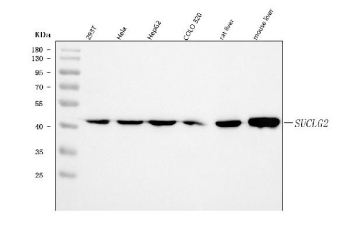
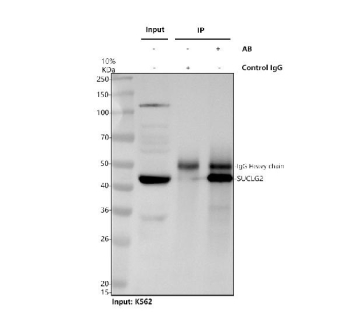
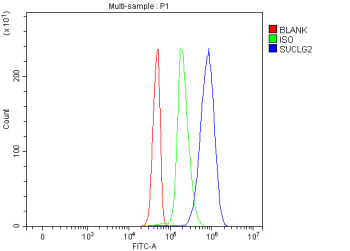
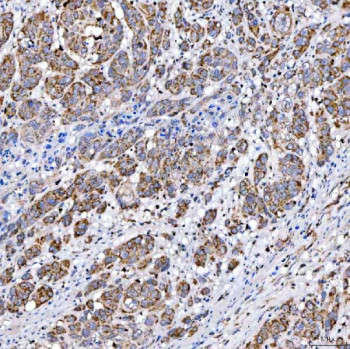


| Item number | Size | Datasheet | Manual | SDS | Delivery time | Quantity | Price |
|---|---|---|---|---|---|---|---|
| NSJ-FY13400 | 100 µg | - | - |
7 - 12 business days* |
790.00€
|
If you have any questions, please use our Contact Form.
You can also order by e-mail: info@biomol.com
Larger quantity required? Request bulk
You can also order by e-mail: info@biomol.com
Larger quantity required? Request bulk
Adding 0.2 ml of distilled water will yield a concentration of 500 ug/ml. SUCLG2 antibody targets... more
Product information "Anti-SUCLG2 / Succinate-CoA ligase GDP-forming subunit beta"
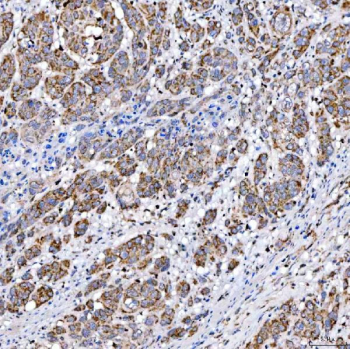
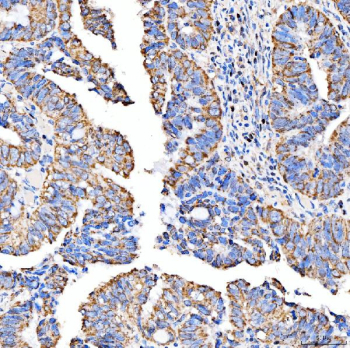
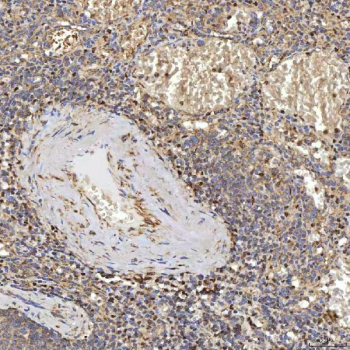
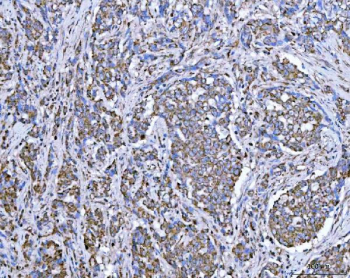
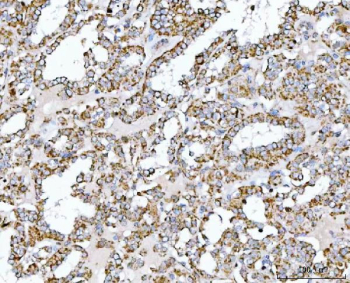
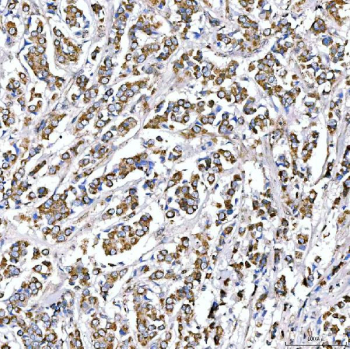
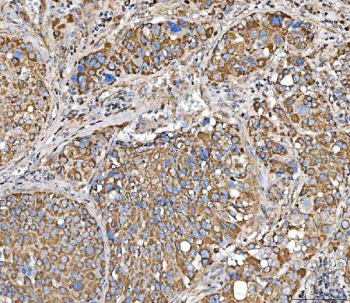
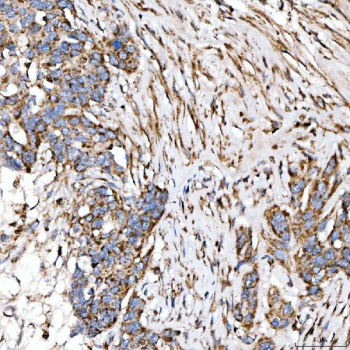
Adding 0.2 ml of distilled water will yield a concentration of 500 ug/ml. SUCLG2 antibody targets Succinate-CoA ligase GDP-forming subunit beta (SUCLG2), a mitochondrial enzyme subunit that functions in the tricarboxylic acid cycle and cellular energy metabolism. SUCLG2 forms part of the succinate-CoA ligase complex, also known as succinyl-CoA synthetase, which catalyzes the reversible conversion of succinyl-CoA to succinate with the concomitant generation of GTP from GDP. This reaction represents a key step in substrate-level phosphorylation within the mitochondrial matrix, linking central carbon metabolism to cellular nucleotide balance. SUCLG2 localizes to mitochondria, consistent with its role in oxidative metabolism and energy production.Functionally, SUCLG2 pairs with the alpha subunit of succinate-CoA ligase to form the GDP-specific isoform of the enzyme, distinguishing it from the ADP-forming variant that contains a different beta subunit. This GDP-forming activity is particularly important in tissues with high reliance on mitochondrial GTP production, such as liver, brain, and other metabolically active organs. By contributing to the tricarboxylic acid cycle, SUCLG2 supports efficient flux of carbon intermediates and integration of energy metabolism with biosynthetic and signaling pathways. An SUCLG2 antibody supports studies examining mitochondrial metabolism and energy regulation.SUCLG2 plays a broader role in maintaining mitochondrial function beyond its enzymatic activity. Proper operation of the succinate-CoA ligase complex influences levels of succinate, a metabolite that also functions as a signaling molecule capable of modulating hypoxia-related pathways and epigenetic regulation. Alterations in SUCLG2 expression or activity can therefore impact both metabolic output and signaling networks linked to mitochondrial state. These features make SUCLG2 a relevant target for studies of metabolic adaptation and mitochondrial regulation.From a biological and disease-relevance perspective, defects in succinate-CoA ligase components have been associated with inherited metabolic disorders and mitochondrial dysfunction. Although SUCLG2-associated disease phenotypes are less well characterized than those of other tricarboxylic acid cycle enzymes, impaired GDP-forming succinate-CoA ligase activity can contribute to altered energy homeostasis and tissue-specific metabolic vulnerability. SUCLG2 is also used in research contexts to help distinguish tissue-specific metabolic programs and mitochondrial enzyme composition.At the molecular level, SUCLG2 is encoded by the SUCLG2 gene and produces a protein of approximately 433 amino acids that resides within the mitochondrial matrix. The protein contains conserved regions required for interaction with the alpha subunit and for binding nucleotide substrates during catalysis. Regulation of SUCLG2 expression is linked to metabolic state and mitochondrial biogenesis programs. An SUCLG2 antibody supports research applications focused on mitochondrial metabolism, tricarboxylic acid cycle function, and cellular energy balance, with NSJ Bioreagents providing reagents intended for research use.
| Keywords: | Anti-SUCLG2, Anti-Succinyl-CoA synthetase beta-G chain, Anti-GTP-specific succinyl-CoA synthetase subunit beta, Anti-Succinate--CoA ligase [GDP-forming] subunit beta, mitochondrial, SUCLG2 Antibody / Succinate-CoA ligase GDP-forming subunit beta |
| Supplier: | NSJ Bioreagents |
| Supplier-Nr: | FY13400 |
Properties
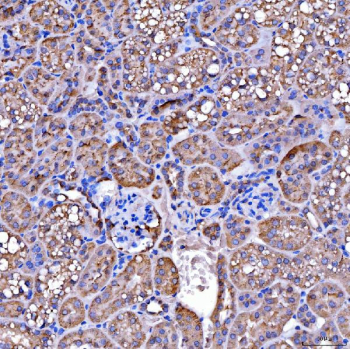
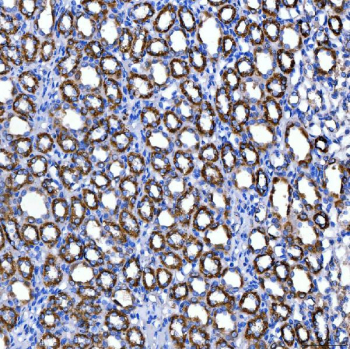
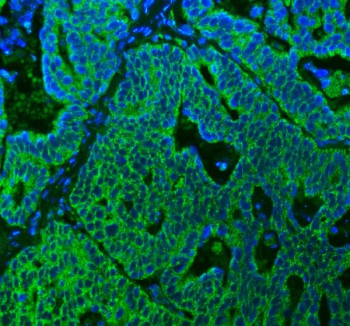
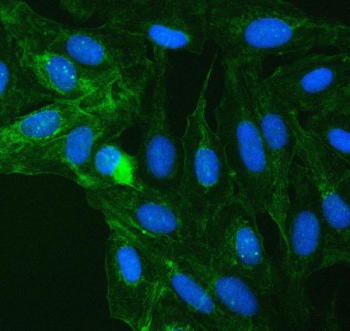
| Application: | WB, ICC/IF, IHC (paraffin), IP, FC |
| Antibody Type: | Polyclonal |
| Conjugate: | No |
| Host: | Rabbit |
| Species reactivity: | human, mouse, rat |
| Immunogen: | E.coli-derived human SUCLG2 recombinant protein (amino acids E42-K424) |
| Format: | Purified |
Database Information
| KEGG ID : | K01900 | Matching products |
| UniProt ID : | Q96I99 | Matching products |
| Gene ID : | GeneID 8801 | Matching products |
Handling & Safety
| Storage: | +4°C |
| Shipping: | +4°C (International: +4°C) |
Caution
Our products are for laboratory research use only: Not for administration to humans!
Our products are for laboratory research use only: Not for administration to humans!
Information about the product reference will follow.
more
You will get a certificate here
Viewed