This website uses cookies, which are necessary for the technical operation of the website and are always set. Other cookies, which increase the comfort when using this website, are used for direct advertising or to facilitate interaction with other websites and social networks, are only set with your consent.
Configuration
Technically required
These cookies are necessary for the basic functions of the shop.
"Allow all cookies" cookie
"Decline all cookies" cookie
CSRF token
Cookie preferences
Currency change
Customer-specific caching
FACT-Finder tracking
Individual prices
Selected shop
Session
Comfort functions
These cookies are used to make the shopping experience even more appealing, for example for the recognition of the visitor.
Note
Show the facebook fanpage in the right blod sidebar
Statistics & Tracking
Affiliate program
Conversion and usertracking via Google Tag Manager
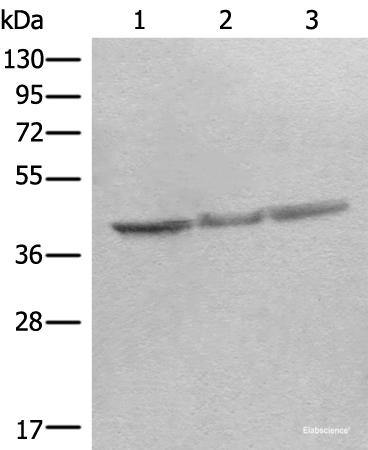
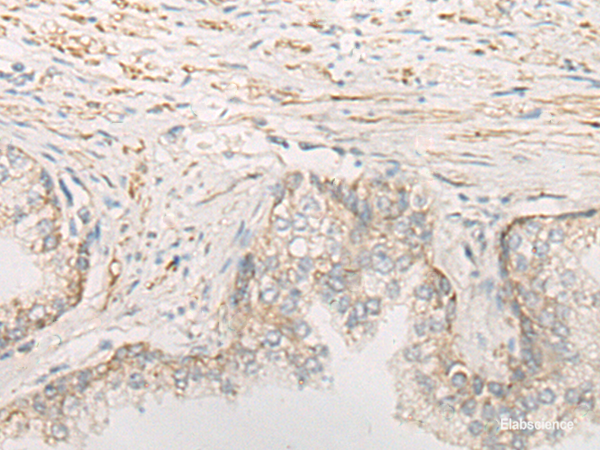
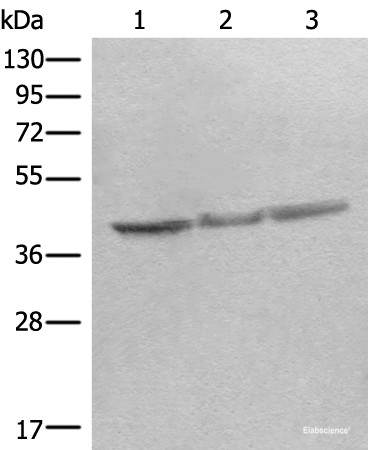
Human stomatin (band 7.2b) is a 31-kDa erythrocyte membrane protein of unknown function but implicated in the control of ion channel permeability,mechanoreception,and lipid domain organization. Stomatin (EPB72)-like 2 (STOML2,synonyms: SLP-2,HSPC108) is a 38.5-kDa protein that is overall approximately 20% similar to human stomatin. STOML2 is also present in mature human erythrocytes ,but lacks a characteristic NH(2)-terminal hydrophobic domain found in other stomatin homologues. STOML2 may link stomatin or other integral membrane proteins to the peripheral cytoskeleton and thereby play a role in regulating ion channel conductances or the organization of sphingolipid and cholesterol-rich lipid rafts. Protein function: Mitochondrial protein that probably regulates the biogenesis and the activity of mitochondria. Stimulates cardiolipin biosynthesis, binds cardiolipin-enriched membranes where it recruits and stabilizes some proteins including prohibitin and may therefore act in the organization of functional microdomains in mitochondrial membranes. Through regulation of the mitochondrial function may play a role into several biological processes including cell migration, cell proliferation, T-cell activation, calcium homeostasis and cellular response to stress. May play a role in calcium homeostasis through negative regulation of calcium efflux from mitochondria. Required for mitochondrial hyperfusion a pro-survival cellular response to stress which results in increased ATP production by mitochondria. May also regulate the organization of functional domains at the plasma membrane and play a role in T-cell activation through association with the T- cell receptor signaling complex and its regulation. [The UniProt Consortium]
Keywords:
Anti-SLP2, Anti-SLP-2, Anti-STOML2, Anti-HSPC108, Anti-Paratarg-7, Anti-Paraprotein target 7, Anti-EPB72-like protein 2, Anti-Stomatin-like protein 2, mitochondrial, STOML2 Polyclonal Antibody
This website uses cookies, which are necessary for the technical operation of the website and are always set. Other cookies, which increase the usability of this website, serve for direct advertising or simplify interaction with other websites and social networks, will only be used with your consent.
More information