
This website uses cookies, which are necessary for the technical operation of the website and are always set. Other cookies, which increase the comfort when using this website, are used for direct advertising or to facilitate interaction with other websites and social networks, are only set with your consent.
Configuration
Technically required
These cookies are necessary for the basic functions of the shop.
"Allow all cookies" cookie
"Decline all cookies" cookie
CSRF token
Cookie preferences
Currency change
Customer-specific caching
FACT-Finder tracking
Individual prices
Selected shop
Session
Comfort functions
These cookies are used to make the shopping experience even more appealing, for example for the recognition of the visitor.
Note
Show the facebook fanpage in the right blod sidebar
Statistics & Tracking
Affiliate program
Conversion and usertracking via Google Tag Manager
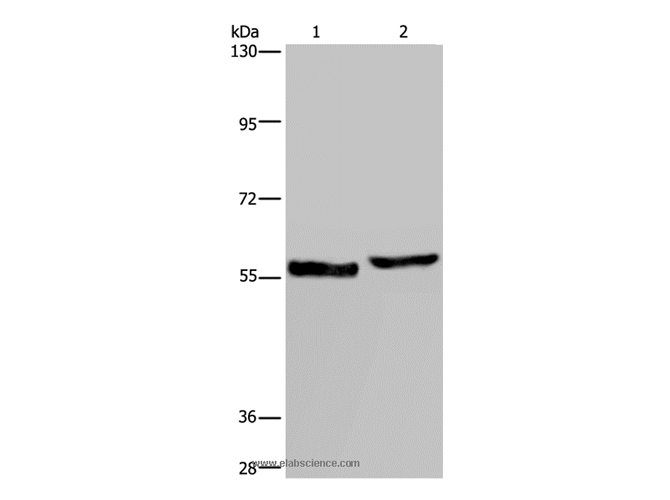
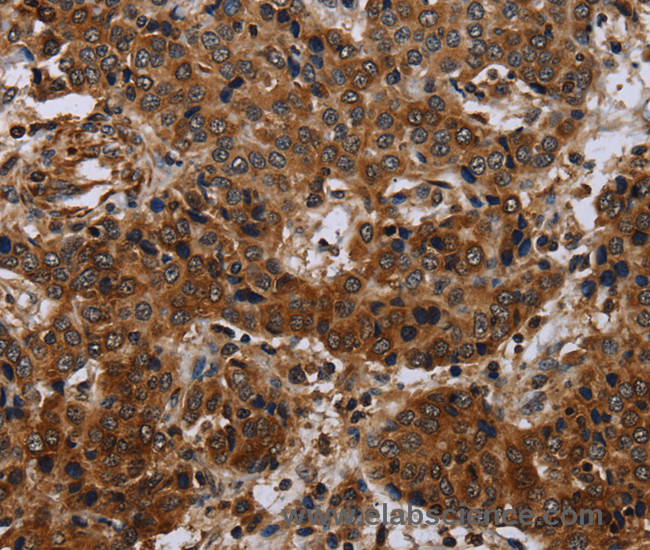
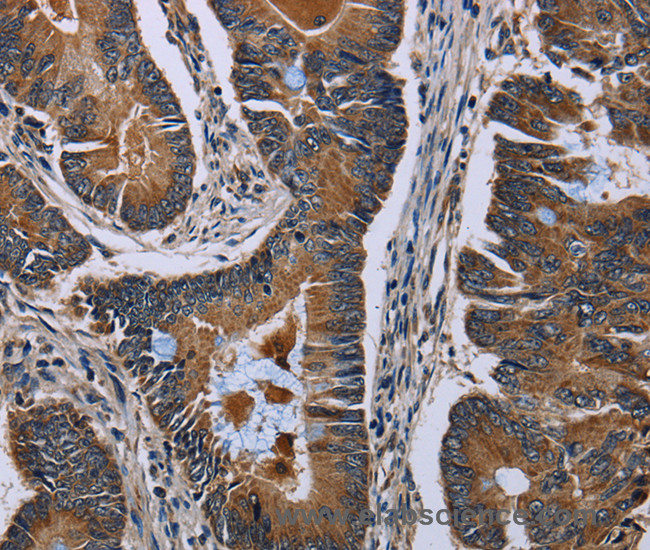
Excitatory Amino Acid Transporters (EAATs) are membrane-bound proteins that are localized in glial cells and pre-synaptic glutamatergic nerve endings. EAATs transport the excitatory neurotransmitters L-glutamate and D-aspartate, a process that is essential for terminating the postsynaptic action of glutamate. The re-uptake of amino acid neurotransmitters by EAAT proteins has been shown to protect neurons from excitotoxicity, which is caused by the accumulation of amino acid neurotransmitters. EAAT4 is an aspartate/glutamate transporter that is expressed predominantly in the cerebellum. The transport activity encoded by EAAT4 has high apparent affinity for L-aspartate and L-glutamate, and has a pharmacologic profile consistent with previously described cerebellar transport activities. EAAT5 is a glutamate transporter coupled to a chloride conductance which is expressed primarily in retina. Although EAAT5 shares the structural homologies of the EAAT family, a novel feature of the EAAT5 sequence is a carboxy-terminal motif previously identified in N-ethyl-D-aspartate receptors and potassium channels and shown to confer interactions with a family of synaptic proteins that promote ion channel clustering. Protein function: Sodium-dependent, high-affinity amino acid transporter that mediates the uptake of L-glutamate and also L-aspartate and D-aspartate (PubMed:7791878). Functions as a symporter that transports one amino acid molecule together with two or three Na(+) ions and one proton, in parallel with the counter-transport of one K(+) ion. Mediates Cl(-) flux that is not coupled to amino acid transport, this avoids the accumulation of negative charges due to aspartate and Na(+) symport. Plays a redundant role in the rapid removal of released glutamate from the synaptic cleft, which is essential for terminating the postsynaptic action of glutamate (Probable). [The UniProt Consortium]
Keywords:
Anti-EAAT4, Anti-SLC1A6, Anti-Solute carrier family 1 member 6, Anti-Excitatory amino acid transporter 4, Anti-Sodium-dependent glutamate/aspartate transporter, SLC1A6 Polyclonal Antibody
This website uses cookies, which are necessary for the technical operation of the website and are always set. Other cookies, which increase the usability of this website, serve for direct advertising or simplify interaction with other websites and social networks, will only be used with your consent.
More information