
This website uses cookies, which are necessary for the technical operation of the website and are always set. Other cookies, which increase the comfort when using this website, are used for direct advertising or to facilitate interaction with other websites and social networks, are only set with your consent.
Configuration
Technically required
These cookies are necessary for the basic functions of the shop.
"Allow all cookies" cookie
"Decline all cookies" cookie
CSRF token
Cookie preferences
Currency change
Customer-specific caching
FACT-Finder tracking
Individual prices
Selected shop
Session
Comfort functions
These cookies are used to make the shopping experience even more appealing, for example for the recognition of the visitor.
Note
Show the facebook fanpage in the right blod sidebar
Statistics & Tracking
Affiliate program
Conversion and usertracking via Google Tag Manager
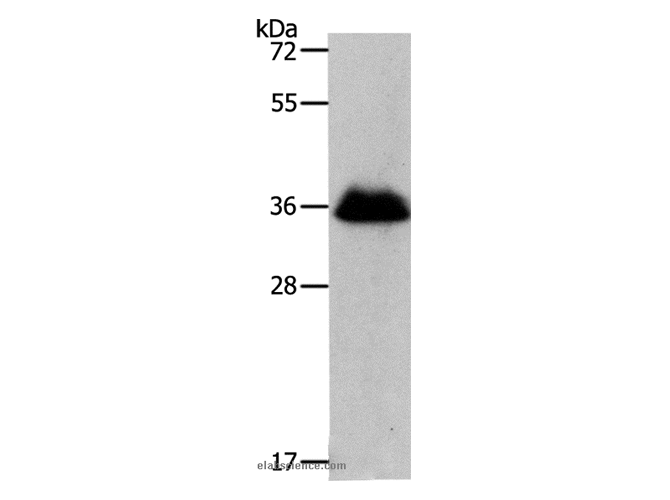
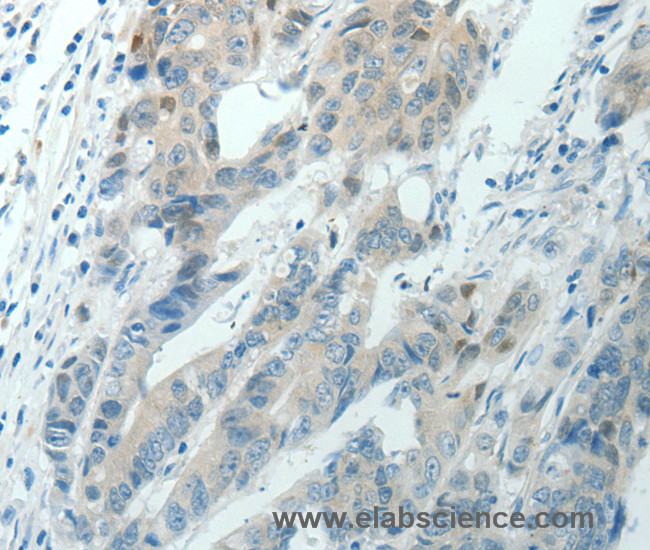
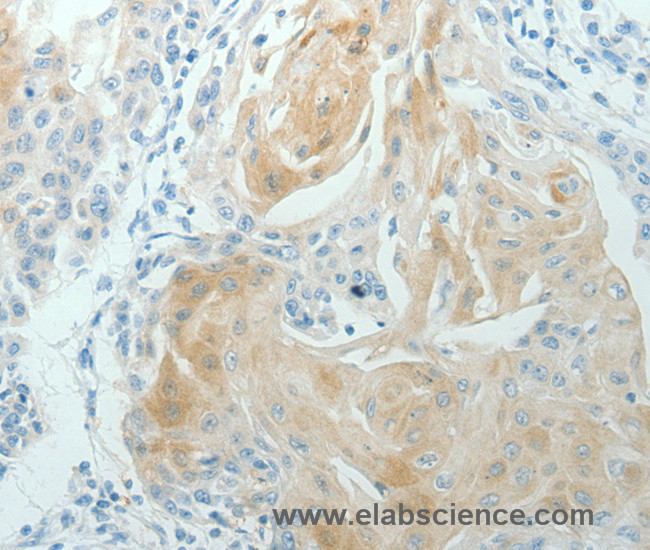
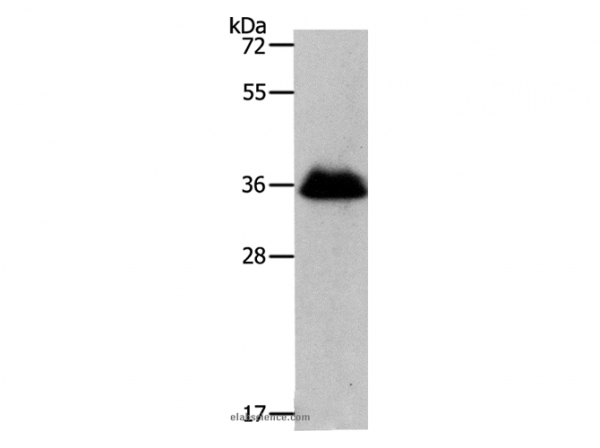
RNF126 contains a RING type zinc finger domain, a motif known to be involved in protein-protein and protein-DNA interactions. The specific function of this protein is unknown. There are two named isoforms. Protein function: E3 ubiquitin-protein ligase that mediates ubiquitination oF target proteins (PubMed:23277564, PubMed:24275455, PubMed:24981174). Depending on the associated E2 ligase, mediates 'Lys-48'- and 'Lys-63'-linked polyubiquitination of substrates. Part of a BAG6-dependent quality control process ensuring that proteins of the secretory pathway that are mislocalized to the cytosol are degraded by the proteasome. Probably acts by providing the ubiquitin ligase activity associated with the BAG6 complex and be responsible for ubiquitination of the hydrophobic mislocalized proteins and their targeting to the proteasome (PubMed:24981174). May also play a role in the endosomal recycling of IGF2R, the cation-independent mannose-6-phosphate receptor (PubMed:24275455). May play a role in the endosomal sorting and degradation of several membrane receptors including EGFR, FLT3, MET and CXCR4, by mediating their ubiquitination (PubMed:23418353). By ubiquitinating CDKN1A/p21 and targeting it for degradation, may also promote cell proliferation (PubMed:23026136). May monoubiquitinate AICDA (PubMed:23277564). [The UniProt Consortium]
This website uses cookies, which are necessary for the technical operation of the website and are always set. Other cookies, which increase the usability of this website, serve for direct advertising or simplify interaction with other websites and social networks, will only be used with your consent.
More information