
Anti-Recombinant SP1, clone A682



| Item number | Size | Datasheet | Manual | SDS | Delivery time | Quantity | Price |
|---|---|---|---|---|---|---|---|
| E-AN301966L.50 | 50 µl | - |
7 - 16 business days* |
304.00€
|
|||
| E-AN301966L.100 | 100 µl | - |
7 - 16 business days* |
464.00€
|
If you have any questions, please use our Contact Form.
You can also order by e-mail: info@biomol.com
Larger quantity required? Request bulk
You can also order by e-mail: info@biomol.com
Larger quantity required? Request bulk
Specificity protein 1 (SP1) is a ubiquitously expressed transcription factor belonging to the... more
Product information "Anti-Recombinant SP1, clone A682"
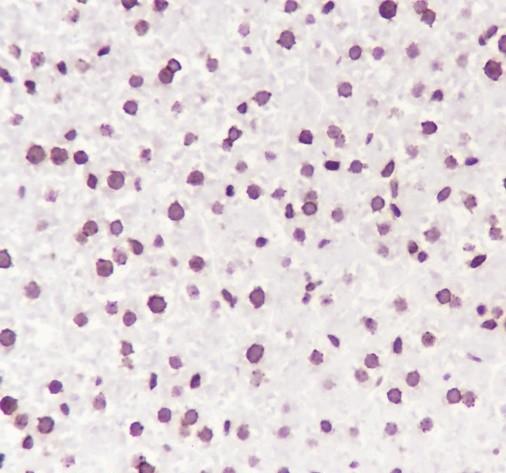
Specificity protein 1 (SP1) is a ubiquitously expressed transcription factor belonging to the family of C2H2-type zinc finger containing DNA-binding proteins. SP1 binds GC-rich motifs with high affinity and regulates the expression of numerous mammalian genes. It interacts with many other transcription factors, such as c-Myc, EGR1, and Stat1, and with basal transcription machinery components. SP1 interacts with chromatin-modifying factors, such as histone deacetylases (HDACs) and p300 in chromatin remodeling. Transcriptional activity and stability of SP1 are regulated by post-translational modification, including phosphorylation, acetylation, ubiquitination, and glycosylation. Glycosylation of SP1 following insulin treatment leads to increased nuclear localization, while glucagon treatment increases cytoplasmic SP1 levels. Investigators have found high levels of SP1 in patients with Alzheimer's disease.
| Keywords: | Anti-SP1, Anti-Transcription factor Sp1, Recombinant SP1 Monoclonal Antibody |
| Supplier: | Elabscience |
| Supplier-Nr: | E-AN301966L |
Properties
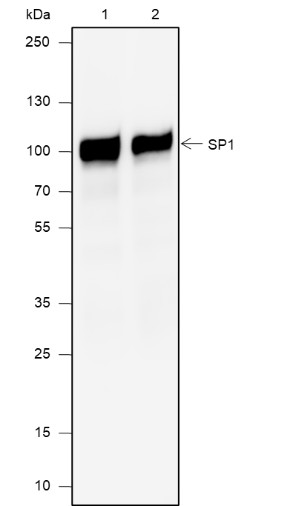
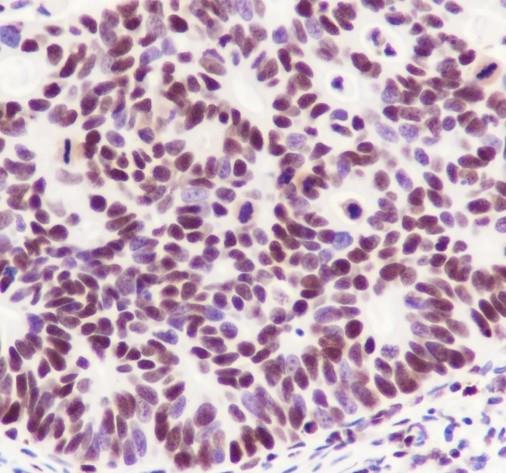
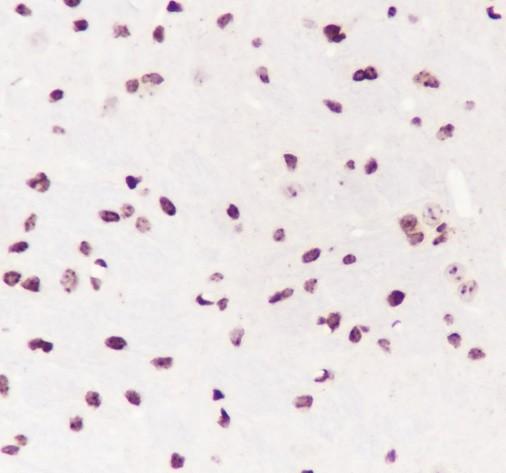
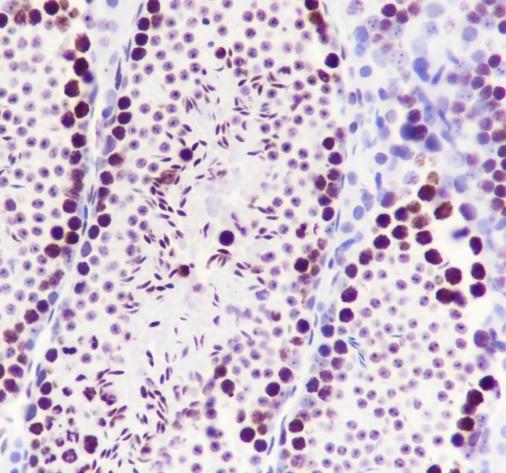
| Application: | WB, IHC |
| Antibody Type: | Monoclonal |
| Clone: | A682 |
| Conjugate: | No |
| Host: | Rabbit |
| Species reactivity: | human, rat, mouse |
| Immunogen: | Recombinant human SP1 fragment |
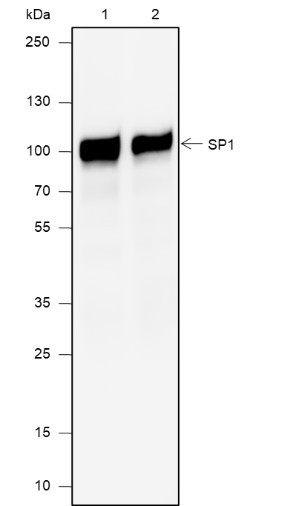
| MW: | 100 kD |
Database Information
| KEGG ID : | K04684 | Matching products |
| UniProt ID : | P08047 | Matching products |
| Gene ID : | GeneID 6667 | Matching products |
Handling & Safety
| Storage: | -20°C |
| Shipping: | -20°C (International: -20°C) |
| Signal Word: | Warning |
| GHS Hazard Pictograms: |

|
| H Phrases: | H317 |
| P Phrases: | P261, P272, P280, P302+352, P333+313 |
Caution
Our products are for laboratory research use only: Not for administration to humans!
Our products are for laboratory research use only: Not for administration to humans!
Information about the product reference will follow.
more
You will get a certificate here
Viewed