This website uses cookies, which are necessary for the technical operation of the website and are always set. Other cookies, which increase the comfort when using this website, are used for direct advertising or to facilitate interaction with other websites and social networks, are only set with your consent.
Configuration
Technically required
These cookies are necessary for the basic functions of the shop.
"Allow all cookies" cookie
"Decline all cookies" cookie
CSRF token
Cookie preferences
Currency change
Customer-specific caching
FACT-Finder tracking
Individual prices
Selected shop
Session
Comfort functions
These cookies are used to make the shopping experience even more appealing, for example for the recognition of the visitor.
Note
Show the facebook fanpage in the right blod sidebar
Statistics & Tracking
Affiliate program
Conversion and usertracking via Google Tag Manager
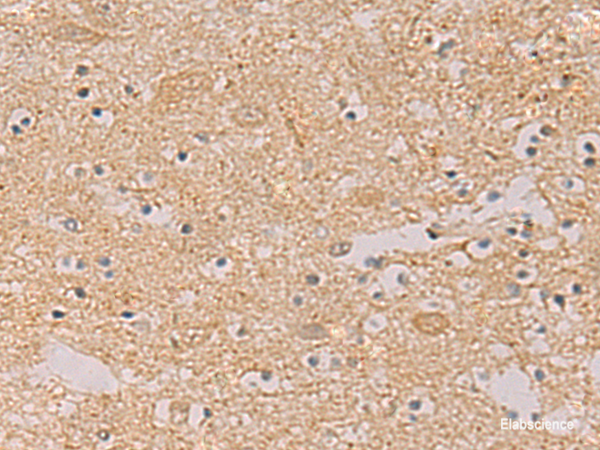
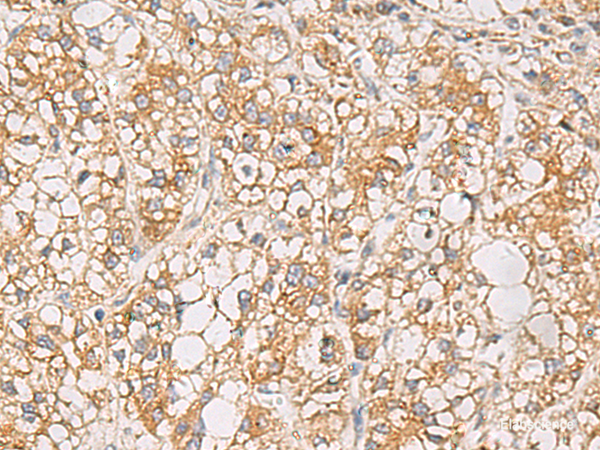
IA-2/PTPRN is a member of the protein tyrosine phosphatase (PTP) family,which contains a transmembrane region,an intracellular PTP-like domain and an extracellular N-terminus. Experiments found that IA-2/PTPRN localizes to secretory granules and is exclusively expressed in neuroendocrine cells (including pancreatic islets cell). IA-2/PTPRNwas found to be a major autoantigen in insulin-dependent diabetes mellitus and the detection of autoantibodies against IA-2/PTPRN is commonly used as a diabetes diagnosis marker. Protein function: Plays a role in vesicle-mediated secretory processes (PubMed:24843546). Required for normal accumulation of secretory vesicles in hippocampus, pituitary and pancreatic islets. Required for the accumulation of normal levels of insulin- containing vesicles and preventing their degradation (PubMed:24843546). Plays a role in insulin secretion in response to glucose stimuli (PubMed:24843546). Required for normal accumulation of the neurotransmitters norepinephrine, dopamine and serotonin in the brain. In females, but not in males, required for normal accumulation and secretion of pituitary hormones, such as luteinizing hormone (LH) and follicle-stimulating hormone (FSH). Required to maintain normal levels of renin expression and renin release. Seems to lack intrinsic enzyme activity. May regulate catalytic active protein-tyrosine phosphatases such as PTPRA through dimerization. [The UniProt Consortium]
This website uses cookies, which are necessary for the technical operation of the website and are always set. Other cookies, which increase the usability of this website, serve for direct advertising or simplify interaction with other websites and social networks, will only be used with your consent.
More information