
Cookie preferences
This website uses cookies, which are necessary for the technical operation of the website and are always set. Other cookies, which increase the comfort when using this website, are used for direct advertising or to facilitate interaction with other websites and social networks, are only set with your consent.
Configuration
Technically required
These cookies are necessary for the basic functions of the shop.
"Allow all cookies" cookie
"Decline all cookies" cookie
CSRF token
Cookie preferences
Currency change
Customer-specific caching
FACT-Finder tracking
Individual prices
Selected shop
Session
Comfort functions
These cookies are used to make the shopping experience even more appealing, for example for the recognition of the visitor.
Note
Show the facebook fanpage in the right blod sidebar
Statistics & Tracking
Affiliate program
Conversion and usertracking via Google Tag Manager
Track device being used



| Item number | Size | Datasheet | Manual | SDS | Delivery time | Quantity | Price |
|---|---|---|---|---|---|---|---|
| NSJ-FY12240 | 100 µg | - | - |
3 - 10 business days* |
790.00€
|
If you have any questions, please use our Contact Form.
You can also order by e-mail: info@biomol.com
Larger quantity required? Request bulk
You can also order by e-mail: info@biomol.com
Larger quantity required? Request bulk
Adding 0.2 ml of distilled water will yield a concentration of 500 ug/ml. PSMD1 antibody detects... more
Product information "Anti-PSMD1 / 26S proteasome non-ATPase regulatory subunit 1"
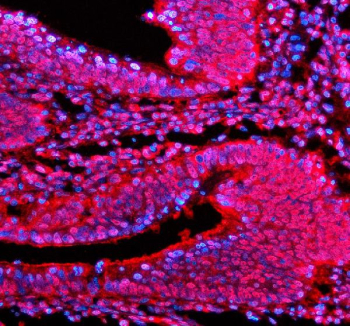
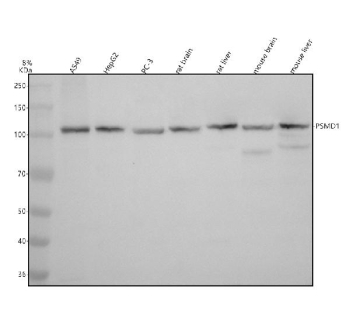
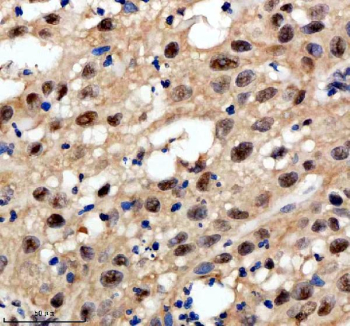
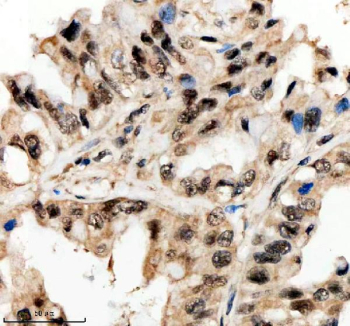
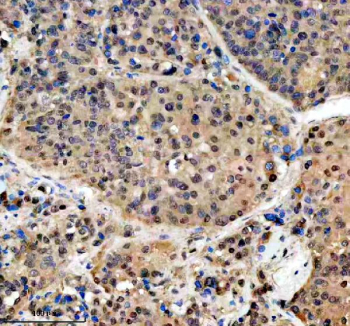
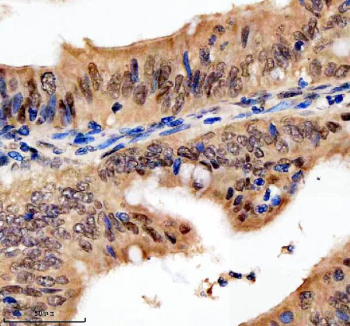
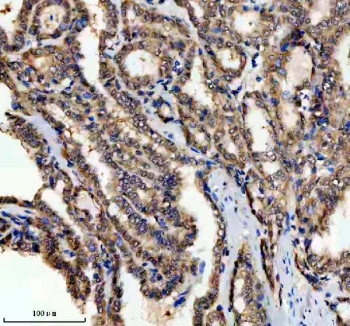
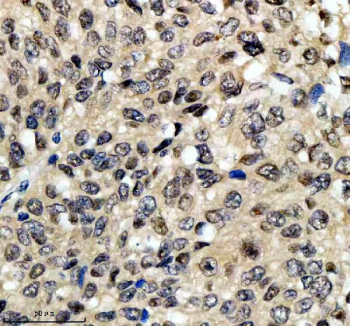
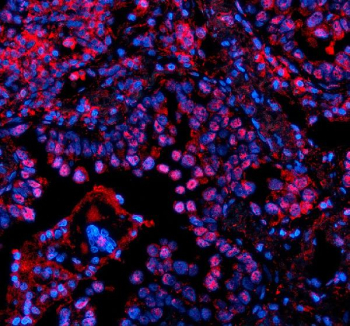
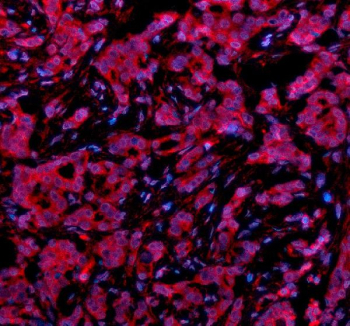
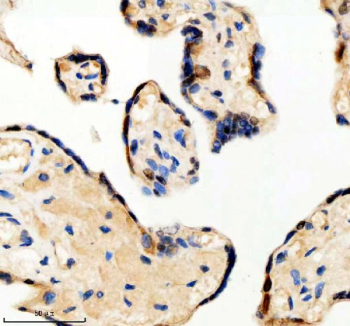
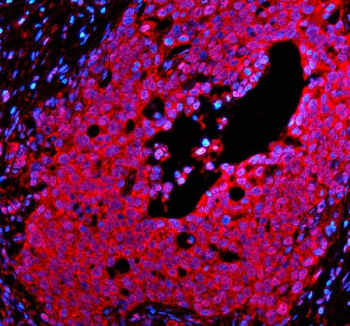
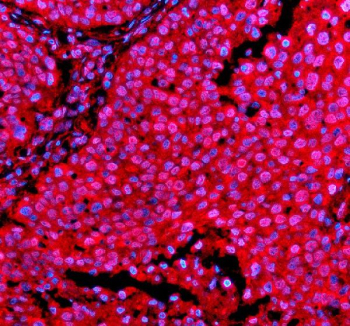
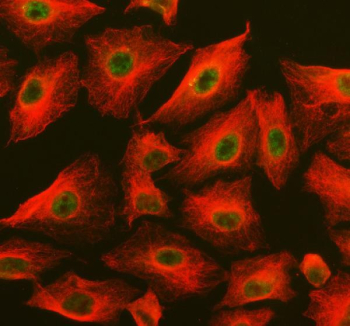
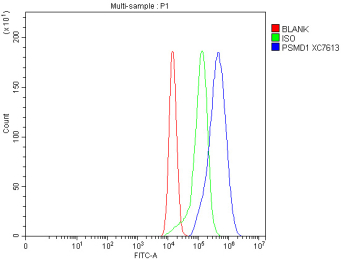
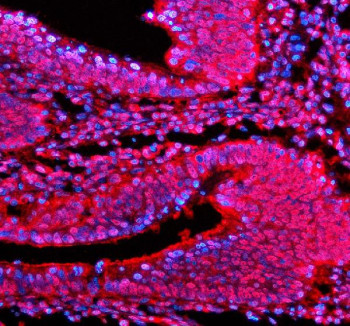
Adding 0.2 ml of distilled water will yield a concentration of 500 ug/ml. PSMD1 antibody detects 26S proteasome non-ATPase regulatory subunit 1, encoded by the PSMD1 gene on chromosome 2q24.2. PSMD1 antibody is widely used in research on protein degradation, ubiquitin-proteasome system regulation, and cancer. PSMD1 is one of the largest subunits of the 19S regulatory particle of the 26S proteasome, a complex that degrades ubiquitinated proteins and maintains protein homeostasis. It plays a key role in substrate recognition, proteasome assembly, and regulation of proteolytic activity.Structurally, PSMD1 is a ~106 kDa protein belonging to the proteasome non-ATPase subunit family. It contains multiple HEAT repeat motifs that mediate protein-protein interactions, helping scaffold the regulatory particle. PSMD1 interacts with other 19S subunits, including PSMD2 and PSMD4, to organize the lid structure and recruit deubiquitinating enzymes. Isoforms generated by alternative splicing provide functional flexibility.Functionally, PSMD1 helps regulate substrate entry into the proteasome by controlling lid conformation and recruiting cofactors. It stabilizes the 19S regulatory particle, enabling efficient degradation of polyubiquitinated proteins. Knockdown of PSMD1 impairs proteasome function, leading to accumulation of misfolded proteins and activation of stress pathways. Researchers employ PSMD1 antibody to study proteostasis, protein quality control, and proteasome assembly.Clinically, PSMD1 is implicated in neurodegeneration and cancer. Altered proteasome activity is a hallmark of diseases such as Parkinson's and Alzheimer's, where impaired protein clearance contributes to pathology. In cancer, elevated PSMD1 expression supports proliferation and survival by degrading tumor suppressors and regulating cell cycle proteins. Targeting proteasome components is a therapeutic strategy in multiple myeloma and other malignancies. NSJ Bioreagents provides PSMD1 antibody for proteasome research, neurodegeneration studies, and cancer biology.Experimentally, PSMD1 antibody is used in western blotting to detect the ~106 kDa subunit, in immunoprecipitation to analyze proteasome complexes, and in immunofluorescence microscopy to study localization of the 26S proteasome. Immunohistochemistry with PSMD1 antibody highlights differential expression in tumors versus normal tissues.
| Keywords: | Anti-PSMD1, Anti-26S proteasome subunit p112, Anti-26S proteasome regulatory subunit S1, Anti-26S proteasome regulatory subunit RPN2, Anti-26S proteasome non-ATPase regulatory subunit 1, PSMD1 Antibody / 26S proteasome non-ATPase regulatory subunit 1 |
| Supplier: | NSJ Bioreagents |
| Supplier-Nr: | FY12240 |
Properties
| Application: | WB, IHC, IF, ICC/IF, FC, ELISA |
| Antibody Type: | Polyclonal |
| Conjugate: | No |
| Host: | Rabbit |
| Species reactivity: | human, mouse, rat |
| Immunogen: | E.coli-derived human PSMD1 recombinant protein (Position: R57-E822) |
| Format: | Purified |
Database Information
| KEGG ID : | K03032 | Matching products |
| UniProt ID : | Q99460 | Matching products |
| Gene ID : | GeneID 5707 | Matching products |
Handling & Safety
| Storage: | +4°C |
| Shipping: | +4°C (International: +4°C) |
Caution
Our products are for laboratory research use only: Not for administration to humans!
Our products are for laboratory research use only: Not for administration to humans!
Information about the product reference will follow.
more
You will get a certificate here
Viewed