This website uses cookies, which are necessary for the technical operation of the website and are always set. Other cookies, which increase the comfort when using this website, are used for direct advertising or to facilitate interaction with other websites and social networks, are only set with your consent.
Configuration
Technically required
These cookies are necessary for the basic functions of the shop.
"Allow all cookies" cookie
"Decline all cookies" cookie
CSRF token
Cookie preferences
Currency change
Customer-specific caching
FACT-Finder tracking
Individual prices
Selected shop
Session
Comfort functions
These cookies are used to make the shopping experience even more appealing, for example for the recognition of the visitor.
Note
Show the facebook fanpage in the right blod sidebar
Statistics & Tracking
Affiliate program
Conversion and usertracking via Google Tag Manager
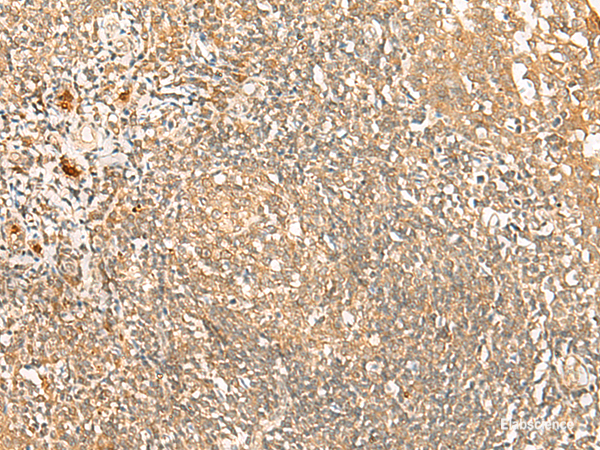
This gene encodes a member of the G-protein-coupled receptor family. The encoded protein binds to prokineticins (1 and 2), leading to the activation of MAPK and STAT signaling pathways. Prokineticins are protein ligands involved in angiogenesis and inflammation. The encoded protein is expressed in peripheral tissues such as those comprising the circulatory system, lungs, reproductive system, endocrine system and the gastrointestinal system. The protein may be involved in signaling in human fetal ovary during initiation of primordial follicle formation. Sequence variants in this gene may be associated with recurrent miscarriage.PROKR1 (Prokineticin Receptor 1) is a Protein Coding gene. Diseases associated with PROKR1 include Ectopic Pregnancy. Among its related pathways are Peptide ligand-binding receptors and RET signaling. GO annotations related to this gene include G-protein coupled receptor activity and neuropeptide Y receptor activity. An important paralog of this gene is PROKR2. Protein function: Receptor for prokineticin 1. Exclusively coupled to the G(q) subclass of heteromeric G proteins. Activation leads to mobilization of calcium, stimulation of phosphoinositide turnover and activation of p44/p42 mitogen-activated protein kinase. May play a role during early pregnancy. [The UniProt Consortium]
This website uses cookies, which are necessary for the technical operation of the website and are always set. Other cookies, which increase the usability of this website, serve for direct advertising or simplify interaction with other websites and social networks, will only be used with your consent.
More information