
Cookie preferences
This website uses cookies, which are necessary for the technical operation of the website and are always set. Other cookies, which increase the comfort when using this website, are used for direct advertising or to facilitate interaction with other websites and social networks, are only set with your consent.
Configuration
Technically required
These cookies are necessary for the basic functions of the shop.
"Allow all cookies" cookie
"Decline all cookies" cookie
CSRF token
Cookie preferences
Currency change
Customer-specific caching
FACT-Finder tracking
Individual prices
Selected shop
Session
Comfort functions
These cookies are used to make the shopping experience even more appealing, for example for the recognition of the visitor.
Note
Show the facebook fanpage in the right blod sidebar
Statistics & Tracking
Affiliate program
Conversion and usertracking via Google Tag Manager
Track device being used



| Item number | Size | Datasheet | Manual | SDS | Delivery time | Quantity | Price |
|---|---|---|---|---|---|---|---|
| NSJ-FY12967 | 100 µg | - | - |
7 - 12 business days* |
790.00€
|
If you have any questions, please use our Contact Form.
You can also order by e-mail: info@biomol.com
Larger quantity required? Request bulk
You can also order by e-mail: info@biomol.com
Larger quantity required? Request bulk
Adding 0.2 ml of distilled water will yield a concentration of 500 ug/ml. PLBD2 antibody detects... more
Product information "Anti-PLBD2 / Phospholipase B domain-containing protein 2"
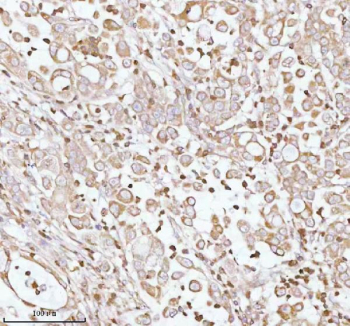
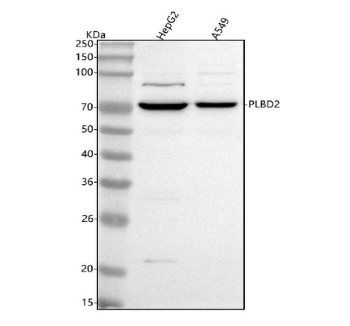
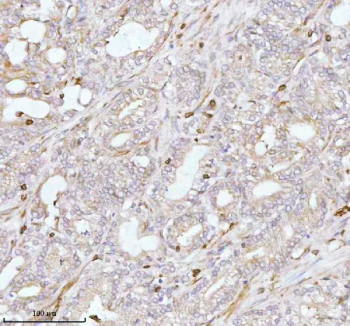
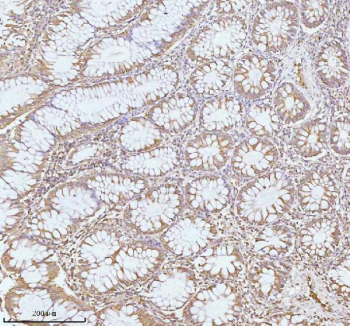
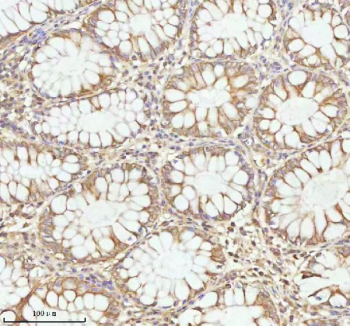
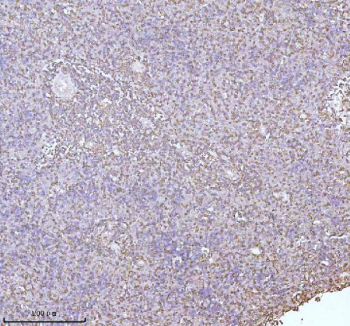
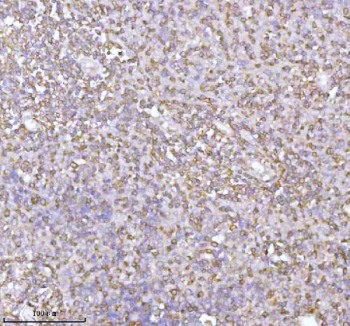
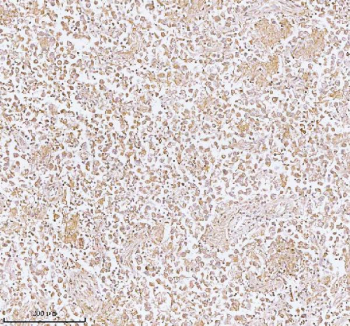
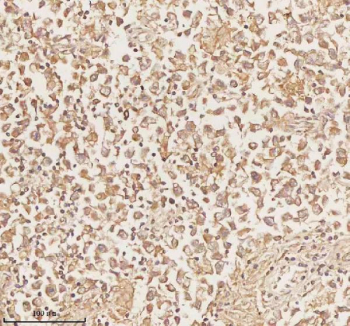
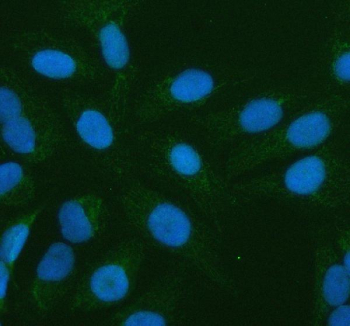
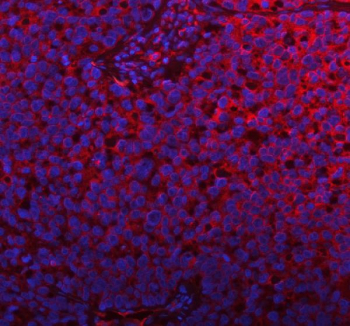
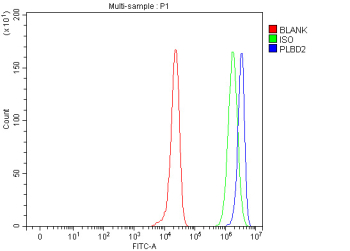
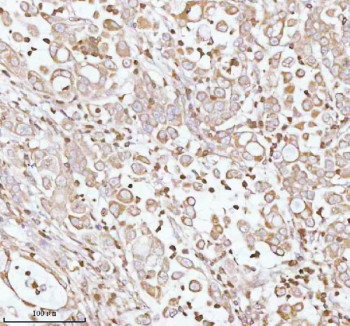
Adding 0.2 ml of distilled water will yield a concentration of 500 ug/ml. PLBD2 antibody detects Phospholipase B domain-containing protein 2, a lysosomal enzyme implicated in lipid metabolism and cellular membrane remodeling. The UniProt recommended name is Phospholipase B domain-containing protein 2 (PLBD2). This protein belongs to the phospholipase B-like superfamily, which hydrolyzes both acyl chains of phospholipids to generate free fatty acids and glycerophosphates. Although the enzymatic activity of PLBD2 is still under characterization, evidence suggests roles in lipid turnover, immune defense, and autophagy.Functionally, PLBD2 antibody recognizes a 516-amino-acid protein localized primarily in lysosomes and the endoplasmic reticulum. PLBD2 contains a conserved phospholipase B-like catalytic domain, which may mediate hydrolysis of membrane phospholipids and lysophospholipids. By modulating lipid composition, PLBD2 contributes to vesicle formation, endosomal trafficking, and lipid droplet metabolism. Its expression is induced by inflammatory cytokines and lipid stress, indicating a regulatory role in lipid homeostasis and immune signaling.The PLBD2 gene is located on chromosome 12q13.13 and encodes a protein that shares structural features with classical phospholipases but displays distinct substrate specificity. While its catalytic mechanism remains partially defined, studies suggest that PLBD2 may participate in lipid recycling and detoxification under stress conditions. Proteomic analyses have identified PLBD2 as part of the lysosomal proteome, implicating it in membrane degradation and recycling of lipid components.In immunology, PLBD2 has been linked to macrophage activation and inflammatory signaling. It may function as a lipid-modifying enzyme that influences phagosome maturation and pathogen clearance. Dysregulation of PLBD2 expression has been observed in metabolic disorders and cancers, suggesting that it plays a broader role in cellular metabolism and immune modulation. Elevated PLBD2 levels correlate with altered phospholipid profiles and increased autophagic activity in response to nutrient deprivation.PLBD2 antibody is employed in lipidomics, immunology, and cell biology studies to investigate lysosomal function and lipid signaling pathways. It is useful for immunoblotting, immunofluorescence, and proteomic profiling of organelle-specific proteins. The enzyme's localization in the lysosomal compartment makes it an important marker for studies of membrane dynamics and lipid degradation. NSJ Bioreagents provides PLBD2 antibody reagents validated for use in research on lipid metabolism, autophagy, and membrane trafficking.Structurally, PLBD2 contains the conserved GXGXXG motif characteristic of lipid-hydrolyzing enzymes and a putative signal peptide for targeting to intracellular membranes. Its domain organization suggests roles in lipid recognition and hydrolysis. Post-translational regulation may involve glycosylation and proteolytic processing that modulate catalytic efficiency. Ongoing research continues to clarify its enzymatic specificity and physiological relevance in lipid remodeling.
| Keywords: | Anti-PLBD2, Anti-76 kDa protein, Anti-LAMA-like protein 2, Anti-Lamina ancestor homolog 2, Anti-Putative phospholipase B-like 2, Anti-Phospholipase B domain-containing protein 2, PLBD2 Antibody / Phospholipase B domain-containing protein 2 |
| Supplier: | NSJ Bioreagents |
| Supplier-Nr: | FY12967 |
Properties
| Application: | ELISA, FC, IF, IHC, ICC, WB |
| Antibody Type: | Polyclonal |
| Conjugate: | No |
| Host: | Rabbit |
| Species reactivity: | human |
| Immunogen: | E.coli-derived human PLBD2 recombinant protein (Position: Q108-Q525) |
| Format: | Purified |
Database Information
| UniProt ID : | Q8NHP8 | Matching products |
| Gene ID : | GeneID 196463 | Matching products |
Handling & Safety
| Storage: | +4°C |
| Shipping: | +4°C (International: +4°C) |
Caution
Our products are for laboratory research use only: Not for administration to humans!
Our products are for laboratory research use only: Not for administration to humans!
Information about the product reference will follow.
more
You will get a certificate here
Viewed