
Cookie preferences
This website uses cookies, which are necessary for the technical operation of the website and are always set. Other cookies, which increase the comfort when using this website, are used for direct advertising or to facilitate interaction with other websites and social networks, are only set with your consent.
Configuration
Technically required
These cookies are necessary for the basic functions of the shop.
"Allow all cookies" cookie
"Decline all cookies" cookie
CSRF token
Cookie preferences
Currency change
Customer-specific caching
FACT-Finder tracking
Individual prices
Selected shop
Session
Comfort functions
These cookies are used to make the shopping experience even more appealing, for example for the recognition of the visitor.
Note
Show the facebook fanpage in the right blod sidebar
Statistics & Tracking
Affiliate program
Conversion and usertracking via Google Tag Manager
Track device being used

| Item number | Size | Datasheet | Manual | SDS | Delivery time | Quantity | Price |
|---|---|---|---|---|---|---|---|
| NSJ-FY12681 | 100 µl | - | - |
7 - 12 business days* |
790.00€
|
If you have any questions, please use our Contact Form.
You can also order by e-mail: info@biomol.com
Larger quantity required? Request bulk
You can also order by e-mail: info@biomol.com
Larger quantity required? Request bulk
Rabbit IgG in phosphate buffered saline, pH 7.4, 150mM NaCl, 0.02% sodium azide and 50% glycerol,... more
Product information "Anti-PICALM / Phosphatidylinositol binding clathrin assembly protein, clone 32P30"
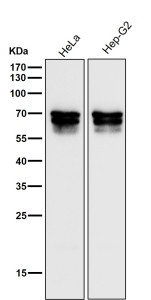
Rabbit IgG in phosphate buffered saline, pH 7.4, 150mM NaCl, 0.02% sodium azide and 50% glycerol, 0.4-0.5mg/ml BSA. PICALM antibody detects phosphatidylinositol binding clathrin assembly protein, a protein encoded by the PICALM gene. PICALM is a clathrin associated protein that regulates endocytosis by linking clathrin to membranes containing phosphatidylinositol lipids. It contributes to the formation of clathrin coated vesicles, trafficking of receptors, and synaptic vesicle recycling. PICALM is widely expressed in neuronal, hematopoietic, and epithelial tissues, reflecting its central role in membrane transport and cellular communication.PICALM antibody is widely applied in neuroscience, immunology, and oncology. In neurons, PICALM participates in synaptic vesicle endocytosis, supporting neurotransmission. In hematopoietic cells, it regulates receptor mediated endocytosis and antigen presentation. Genetic variants in PICALM are strongly associated with Alzheimer disease risk, making it a focus of neurodegenerative research. By detecting PICALM, researchers can investigate how clathrin mediated endocytosis impacts diverse physiological and pathological processes. Western blotting with PICALM antibody detects protein expression in brain and immune cell lysates. Immunohistochemistry maps distribution in neuronal tissues and lymphoid organs. Immunofluorescence highlights punctate localization at clathrin coated pits and endosomes. These assays allow detailed analysis of PICALM function in vesicular trafficking.PICALM is also important in oncology. Chromosomal translocations involving PICALM, such as PICALM AF10 fusions, are associated with acute leukemias. These fusions alter transcriptional programs and contribute to leukemogenesis. Detection of PICALM with antibody based methods supports research into oncogenic mechanisms and potential diagnostic strategies. In solid tumors, altered PICALM expression affects endocytosis of growth factor receptors and signaling pathways, influencing tumor progression.In Alzheimer disease, genome wide association studies have identified PICALM variants as risk factors. Mechanistically, PICALM regulates endocytosis of amyloid precursor protein and clearance of amyloid beta. Altered PICALM expression affects synaptic function and neuronal survival, linking endocytosis defects to neurodegeneration. By applying PICALM antibody, scientists can explore these mechanisms and evaluate therapeutic strategies targeting endocytic pathways.PICALM also contributes to immune regulation. In antigen presenting cells, it modulates receptor trafficking and signaling. Its role in membrane dynamics extends to viral infections, where viruses exploit clathrin mediated endocytosis for entry. PICALM antibody therefore provides a tool for studying both host defense and viral pathogenesis.Beyond its cellular functions, PICALM has structural features that enable its roles in trafficking. It contains phosphatidylinositol binding domains and clathrin binding motifs, which link membrane lipids to clathrin coat assembly. It also interacts with adaptor proteins and other regulators of endocytosis. These interactions highlight the versatility of PICALM as a scaffold protein coordinating vesicle formation.PICALM antibody from NSJ Bioreagents provides dependable specificity for detecting this multifunctional trafficking protein. Its performance across diverse applications supports research in neuroscience, cancer biology, immunology, and translational medicine.
| Keywords: | Anti-PICALM, Anti-Clathrin assembly lymphoid myeloid leukemia protein, Anti-Phosphatidylinositol-binding clathrin assembly protein, PICALM Antibody / Phosphatidylinositol binding clathrin assembly protein |
| Supplier: | NSJ Bioreagents |
| Supplier-Nr: | FY12681 |
Properties
| Application: | WB, IHC, ICC, IF |
| Antibody Type: | Monoclonal |
| Clone: | 32P30 |
| Conjugate: | No |
| Host: | Rabbit |
| Species reactivity: | human |
| Immunogen: | A synthesized peptide derived from human PICALM |
| Format: | Purified |
Database Information
| KEGG ID : | K20044 | Matching products |
| UniProt ID : | Q13492 | Matching products |
| Gene ID : | GeneID 8301 | Matching products |
Handling & Safety
| Storage: | -20°C |
| Shipping: | -20°C (International: -20°C) |
Caution
Our products are for laboratory research use only: Not for administration to humans!
Our products are for laboratory research use only: Not for administration to humans!
Information about the product reference will follow.
more
You will get a certificate here
Viewed