
Cookie preferences
This website uses cookies, which are necessary for the technical operation of the website and are always set. Other cookies, which increase the comfort when using this website, are used for direct advertising or to facilitate interaction with other websites and social networks, are only set with your consent.
Configuration
Technically required
These cookies are necessary for the basic functions of the shop.
"Allow all cookies" cookie
"Decline all cookies" cookie
CSRF token
Cookie preferences
Currency change
Customer-specific caching
FACT-Finder tracking
Individual prices
Selected shop
Session
Comfort functions
These cookies are used to make the shopping experience even more appealing, for example for the recognition of the visitor.
Note
Show the facebook fanpage in the right blod sidebar
Statistics & Tracking
Affiliate program
Conversion and usertracking via Google Tag Manager
Track device being used




| Item number | Size | Datasheet | Manual | SDS | Delivery time | Quantity | Price |
|---|---|---|---|---|---|---|---|
| NSJ-FY12512 | 100 µg | - | - |
3 - 10 business days* |
790.00€
|
If you have any questions, please use our Contact Form.
You can also order by e-mail: info@biomol.com
Larger quantity required? Request bulk
You can also order by e-mail: info@biomol.com
Larger quantity required? Request bulk
Adding 0.2 ml of distilled water will yield a concentration of 500 ug/ml. PARP11 antibody detects... more
Product information "Anti-PARP11 / Poly ADP-ribose polymerase 11"
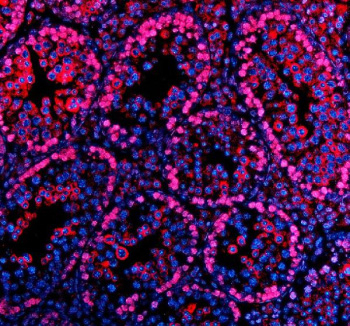
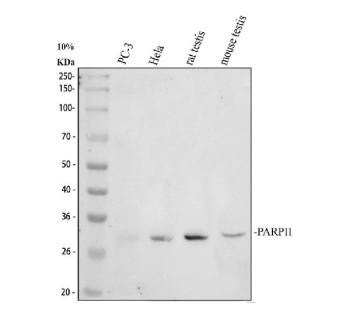
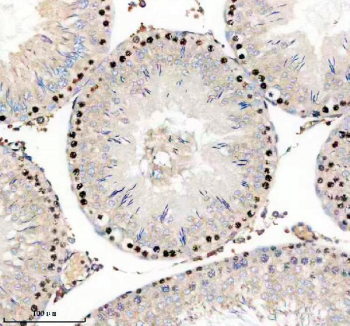
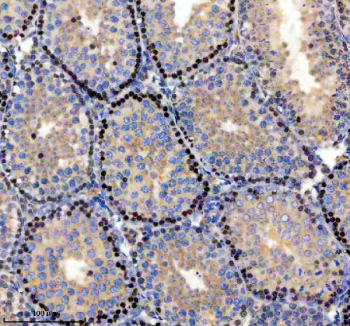
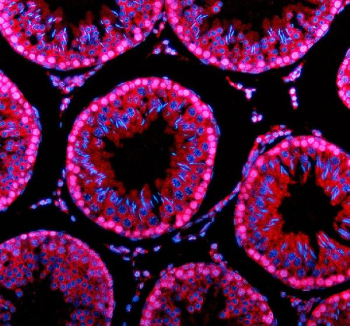
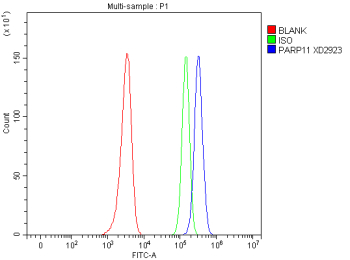
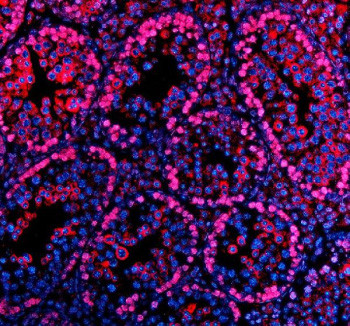
Adding 0.2 ml of distilled water will yield a concentration of 500 ug/ml. PARP11 antibody detects Poly(ADP-ribose) polymerase 11, a mono-ADP-ribosyltransferase enzyme that modifies proteins through ADP-ribosylation, influencing their stability, localization, and activity. PARP11 belongs to the PARP family but, unlike canonical poly(ADP-ribose) polymerases, primarily catalyzes mono-ADP-ribose addition. This post-translational modification regulates processes such as nuclear transport, innate immunity, and antiviral defense. The PARP11 antibody is used to study protein modification signaling, interferon responses, and nuclear envelope dynamics.PARP11 is encoded by the PARP11 gene on human chromosome 12q13.11. The protein is approximately 39 kilodaltons and characterized by an N-terminal WWE domain, which mediates protein-protein interactions, and a C-terminal catalytic domain containing the conserved histidine-tyrosine-glutamate motif typical of ADP-ribosyltransferases. PARP11 localizes predominantly to the nuclear envelope and cytoplasmic membrane-associated compartments.The PARP11 antibody detects a 39 kilodalton band by western blot and shows nuclear rim and cytoplasmic punctate staining patterns in immunofluorescence microscopy. PARP11 functions in antiviral defense by ADP-ribosylating host and viral proteins involved in interferon signaling, modulating downstream immune activation. It targets nuclear pore complex components and transport receptors, thereby altering nucleocytoplasmic trafficking during stress or infection. Studies have demonstrated that PARP11 negatively regulates type I interferon responses by promoting degradation of TBK1 and IFNAR1, helping fine-tune innate immune activity.PARP11 also influences ubiquitin-proteasome and SUMOylation pathways through crosstalk with other post-translational modifiers. It plays a role in maintaining nuclear envelope structure and in mitotic progression. Overexpression of PARP11 has been associated with enhanced cell survival under stress, whereas its inhibition sensitizes cells to DNA damage and viral infection. Structural studies suggest that PARP11 recognizes unique NAD+ analogs distinct from other PARP family members, indicating potential for selective drug targeting.Emerging evidence links PARP11 to cancer, viral replication, and neurodegenerative processes. In hepatocellular and colorectal carcinomas, PARP11 overexpression correlates with immune evasion phenotypes and resistance to interferon-based therapies. In neurons, altered ADP-ribosylation by PARP11 may affect axonal transport or synaptic signaling. NSJ Bioreagents provides a validated PARP11 antibody optimized for western blot, immunofluorescence, and nuclear envelope research, enabling detailed analysis of mono-ADP-ribosylation pathways and immune modulation mechanisms.
| Keywords: | Anti-PARP11, Anti-Poly [ADP-ribose] polymerase 11, Anti-Protein mono-ADP-ribosyltransferase PARP11, Anti-ADP-ribosyltransferase diphtheria toxin-like 11, PARP11 Antibody / Poly ADP-ribose polymerase 11 |
| Supplier: | NSJ Bioreagents |
| Supplier-Nr: | FY12512 |
Properties
| Application: | WB, IHC, IF, ICC/IF, FC |
| Antibody Type: | Polyclonal |
| Conjugate: | No |
| Host: | Rabbit |
| Species reactivity: | human, mouse, rat |
| Immunogen: | A synthetic peptide corresponding to a sequence in the middle region of human PARP11 |
| Format: | Purified |
Database Information
| KEGG ID : | K15259 | Matching products |
| UniProt ID : | Q9NR21 | Matching products |
| Gene ID : | GeneID 57097 | Matching products |
Handling & Safety
| Storage: | +4°C |
| Shipping: | +4°C (International: +4°C) |
Caution
Our products are for laboratory research use only: Not for administration to humans!
Our products are for laboratory research use only: Not for administration to humans!
Information about the product reference will follow.
more
You will get a certificate here
Viewed