
Cookie preferences
This website uses cookies, which are necessary for the technical operation of the website and are always set. Other cookies, which increase the comfort when using this website, are used for direct advertising or to facilitate interaction with other websites and social networks, are only set with your consent.
Configuration
Technically required
These cookies are necessary for the basic functions of the shop.
"Allow all cookies" cookie
"Decline all cookies" cookie
CSRF token
Cookie preferences
Currency change
Customer-specific caching
FACT-Finder tracking
Individual prices
Selected shop
Session
Comfort functions
These cookies are used to make the shopping experience even more appealing, for example for the recognition of the visitor.
Note
Show the facebook fanpage in the right blod sidebar
Statistics & Tracking
Affiliate program
Conversion and usertracking via Google Tag Manager
Track device being used



| Item number | Size | Datasheet | Manual | SDS | Delivery time | Quantity | Price |
|---|---|---|---|---|---|---|---|
| NSJ-FY12947 | 100 µg | - | - |
7 - 12 business days* |
790.00€
|
If you have any questions, please use our Contact Form.
You can also order by e-mail: info@biomol.com
Larger quantity required? Request bulk
You can also order by e-mail: info@biomol.com
Larger quantity required? Request bulk
Adding 0.2 ml of distilled water will yield a concentration of 500 ug/ml. MEST antibody detects... more
Product information "Anti-MEST / Mesoderm-specific transcript protein"
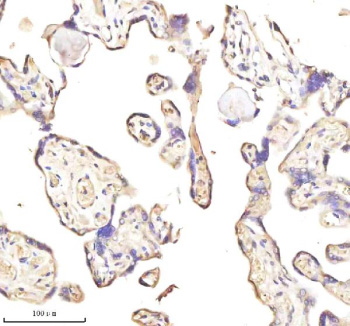
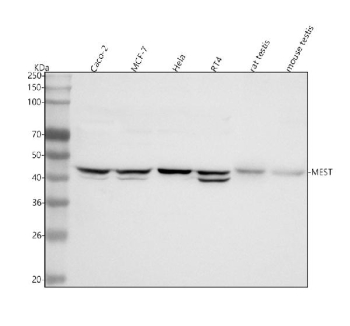
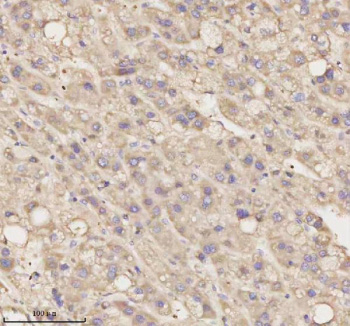
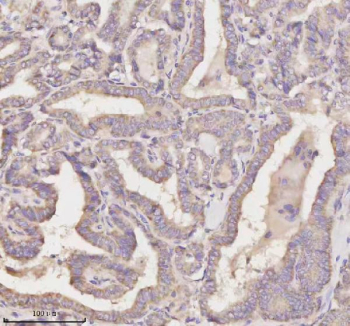
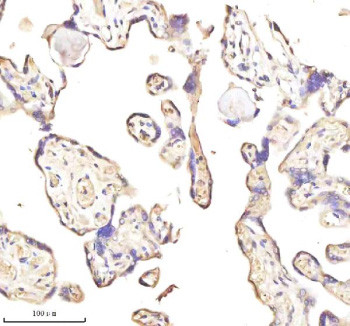
Adding 0.2 ml of distilled water will yield a concentration of 500 ug/ml. MEST antibody detects Mesoderm-specific transcript protein, an imprinted gene product associated with growth, differentiation, and placental development. The UniProt recommended name is Mesoderm-specific transcript protein (MEST), with alternate names including paternally expressed gene 1 (PEG1) and alpha/beta hydrolase domain-containing protein 14C. MEST belongs to the alpha/beta hydrolase superfamily and is expressed predominantly from the paternal allele, exhibiting tissue-specific imprinting patterns.Functionally, MEST antibody identifies a 335-amino-acid protein that contains a predicted hydrolase fold and is implicated in adipocyte differentiation, embryonic growth, and metabolic regulation. Although its enzymatic substrate remains uncertain, structural homology suggests esterase or lipase-like activity. MEST is expressed during mesoderm formation and plays a key role in development of the placenta, skeletal muscle, and adipose tissue. Elevated MEST expression correlates with obesity, insulin resistance, and altered lipid storage, suggesting a regulatory role in adipogenesis and energy metabolism.The MEST antibody is used to study genomic imprinting, epigenetic regulation, and developmental gene expression. MEST is a key marker for parent-of-origin gene expression studies, given that it is expressed exclusively from the paternal allele in most tissues. The MEST gene is located on chromosome 7q32.2 and lies within an imprinted domain regulated by differential DNA methylation. Aberrant methylation or loss of imprinting at this locus has been associated with developmental disorders such as Silver-Russell syndrome and growth abnormalities.In adult tissues, MEST expression is detected in adipocytes, brain, and pancreas, where it influences energy balance and metabolic plasticity. Research suggests that MEST interacts with Wnt signaling pathways to regulate cell fate determination and tissue remodeling. In cancer, MEST dysregulation has been linked to metastasis and epithelial-to-mesenchymal transition (EMT). Overexpression of MEST promotes cell migration and invasion, while silencing reduces tumor aggressiveness.MEST antibody applications include western blotting, immunofluorescence, and RT-qPCR normalization in imprinting and developmental biology research. Because of its epigenetic regulation, MEST serves as a valuable biomarker for studying parental imprinting effects and obesity-related gene expression. NSJ Bioreagents provides this antibody validated for research use in developmental biology, epigenetics, and metabolic disease studies.
| Keywords: | Anti-MEST, Anti-Paternally-expressed gene 1 protein, Anti-Mesoderm-specific transcript homolog protein, MEST Antibody / Mesoderm-specific transcript protein |
| Supplier: | NSJ Bioreagents |
| Supplier-Nr: | FY12947 |
Properties
| Application: | WB, IHC, ELISA |
| Antibody Type: | Polyclonal |
| Conjugate: | No |
| Host: | Rabbit |
| Species reactivity: | human, mouse, rat |
| Immunogen: | E.coli-derived human MEST recombinant protein (Position: A21-D320) |
| Format: | Purified |
Database Information
| UniProt ID : | Q5EB52 | Matching products |
| Gene ID : | GeneID 4232 | Matching products |
Handling & Safety
| Storage: | +4°C |
| Shipping: | +4°C (International: +4°C) |
Caution
Our products are for laboratory research use only: Not for administration to humans!
Our products are for laboratory research use only: Not for administration to humans!
Information about the product reference will follow.
more
You will get a certificate here
Viewed