
This website uses cookies, which are necessary for the technical operation of the website and are always set. Other cookies, which increase the comfort when using this website, are used for direct advertising or to facilitate interaction with other websites and social networks, are only set with your consent.
Configuration
Technically required
These cookies are necessary for the basic functions of the shop.
"Allow all cookies" cookie
"Decline all cookies" cookie
CSRF token
Cookie preferences
Currency change
Customer-specific caching
FACT-Finder tracking
Individual prices
Selected shop
Session
Comfort functions
These cookies are used to make the shopping experience even more appealing, for example for the recognition of the visitor.
Note
Show the facebook fanpage in the right blod sidebar
Statistics & Tracking
Affiliate program
Conversion and usertracking via Google Tag Manager
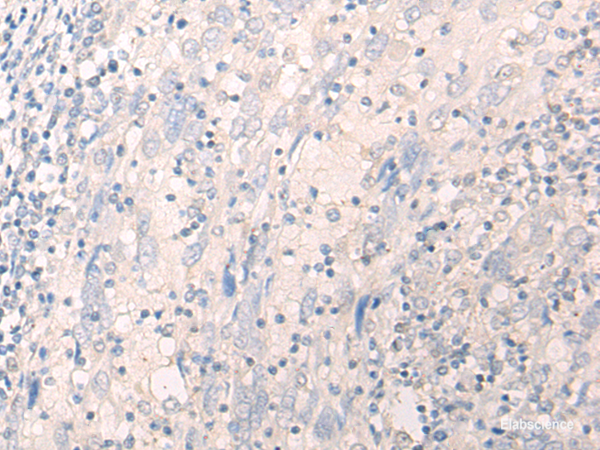
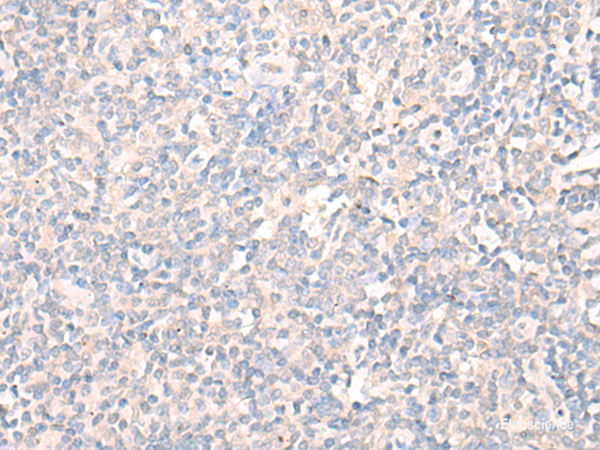
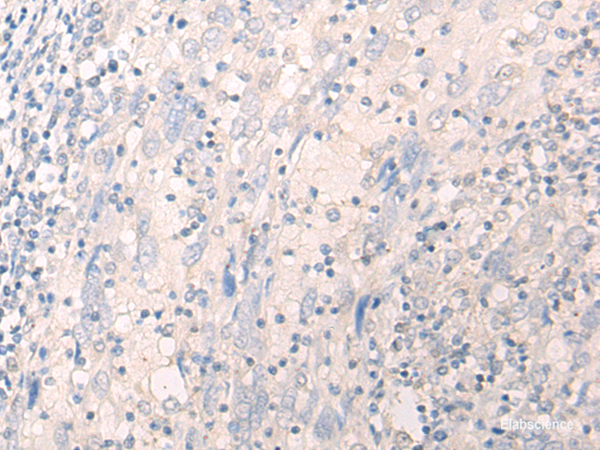
This gene encodes a member of a family of immunoreceptors that are expressed predominantly on monocytes and B cells, and at lower levels on dendritic cells and natural killer cells. The encoded protein is an activating receptor that inhibits dendritic cell differentiation and antigen presentation and suppresses innate immune response. Alternatively spliced transcript variants encoding different isoforms have been found. This gene is located in a cluster of related genes on chromosome 19 and there is a pseudogene for this gene on chromosome 3. Protein function: Part of the innate immune responses against microbial infection (PubMed:12529506, PubMed:27572839). Specifically recognizes a set of N-terminally truncated immunoglobulins that are produced via cleavage by proteases from a range of pathogenic bacteria and fungi, including L.pneumophila, M.hyorhinis, S.pneumoniae, S.aureus and C.albicans (PubMed:27572839). Recognizes epitopes that are in part in the variable region of the immunoglobulin light chains, but requires also the constant region for signaling (PubMed:27572839). Binds to a subset of cleaved IgM, IgG3 and IgG4 molecules, but does not bind cleaved IgA1 (PubMed:27572839). Binding of N-terminally truncated immunoglobulins mediates activation of neutrophils (PubMed:27572839). In monocytes, activation leads to the release of CSF2, CF3, IL6, CXCL8 and CCL3 and down-regulates responses to bacterial lipopolysaccharide (LPS), possibly via down-regulation of TLR4 expression and reduced signaling via TLR4 (PubMed:22479404). In eosinophils, activation by ligand binding leads to the release of RNASE2, IL4 and leukotriene C4 (PubMed:12529506). Does not bind class I MHC antigens (PubMed:19230061). [The UniProt Consortium]
Keywords:
Anti-ILT1, Anti-LIR-7, Anti-CD85h, Anti-ILT-1, Anti-LILRA2, Anti-Immunoglobulin-like transcript 1, Anti-CD85 antigen-like family member H, Anti-Leukocyte immunoglobulin-like receptor 7, Anti-Leukocyte immunoglobulin-like receptor subfamily A member 2, LIL
This website uses cookies, which are necessary for the technical operation of the website and are always set. Other cookies, which increase the usability of this website, serve for direct advertising or simplify interaction with other websites and social networks, will only be used with your consent.
More information
