
This website uses cookies, which are necessary for the technical operation of the website and are always set. Other cookies, which increase the comfort when using this website, are used for direct advertising or to facilitate interaction with other websites and social networks, are only set with your consent.
Configuration
Technically required
These cookies are necessary for the basic functions of the shop.
"Allow all cookies" cookie
"Decline all cookies" cookie
CSRF token
Cookie preferences
Currency change
Customer-specific caching
FACT-Finder tracking
Individual prices
Selected shop
Session
Comfort functions
These cookies are used to make the shopping experience even more appealing, for example for the recognition of the visitor.
Note
Show the facebook fanpage in the right blod sidebar
Statistics & Tracking
Affiliate program
Conversion and usertracking via Google Tag Manager
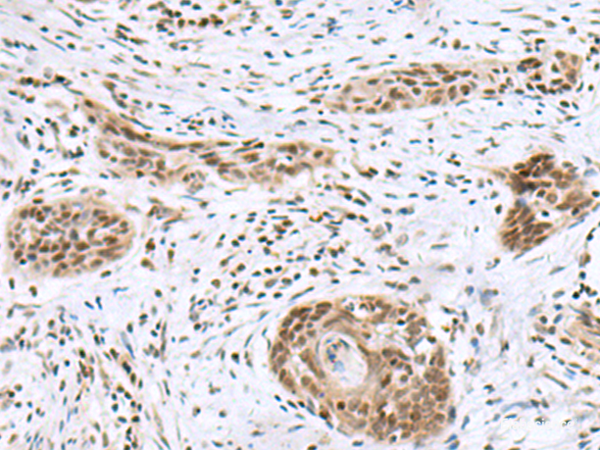
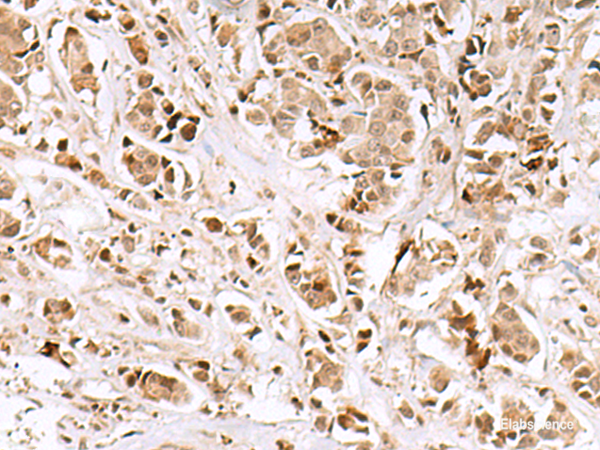
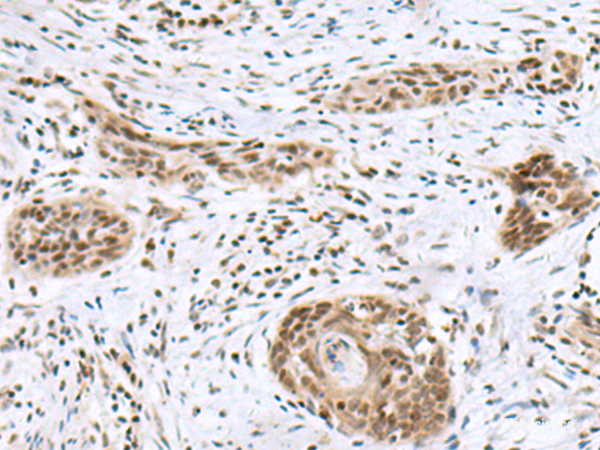
Insulinoma-associated 1 (INSM1) gene is intronless and encodes a protein containing both a zinc finger DNA-binding domain and a putative prohormone domain. This gene is a sensitive marker for neuroendocrine differentiation of human lung tumors. Protein function: Sequence-specific DNA-binding transcriptional regulator that plays a key role in neurogenesis and neuroendocrine cell differentiation during embryonic and/or fetal development. Binds to the consensus sequence 5'-[TG][TC][TC][TT][GA]GGG[CG]A-3' in target promoters. Acts as a transcriptional repressor of NEUROD1 and INS expression via its interaction with cyclin CCND1 in a cell cycle- independent manner. Negatively regulates skeletal muscle-specific gene expression in endocrine cells of the pituitary by inhibiting the Notch signaling pathway. Represses target gene transcription by recruiting chromatin-modifying factors, such as HDAC1, HDAC2, HDAC3, KDM1A and RCOR1 histone deacetylases. Binds to its own promoter, suggesting autoregulation as a self-control feedback mechanism. Competes with histone H3 for the same binding site on the histone demethylase complex formed by KDM1A and RCOR1, and thereby inhibits demethylation of histone H3 at 'Lys-4' (PubMed:23721412). Promotes the generation and expansion of neuronal basal progenitor cells in the developing neocortex. Involved in the differentiation of endocrine cells of the developing anterior pituitary gland, of the pancreas and intestine, and of sympatho-adrenal cells in the peripheral nervous system. Promotes cell cycle signaling arrest and inhibition of cellular proliferation. [The UniProt Consortium]
Keywords:
Anti-IA1, Anti-INSM1, Anti-Zinc finger protein IA-1, Anti-Insulinoma-associated protein 1, INSM1 Polyclonal Antibody
This website uses cookies, which are necessary for the technical operation of the website and are always set. Other cookies, which increase the usability of this website, serve for direct advertising or simplify interaction with other websites and social networks, will only be used with your consent.
More information