This website uses cookies, which are necessary for the technical operation of the website and are always set. Other cookies, which increase the comfort when using this website, are used for direct advertising or to facilitate interaction with other websites and social networks, are only set with your consent.
Configuration
Technically required
These cookies are necessary for the basic functions of the shop.
"Allow all cookies" cookie
"Decline all cookies" cookie
CSRF token
Cookie preferences
Currency change
Customer-specific caching
FACT-Finder tracking
Individual prices
Selected shop
Session
Comfort functions
These cookies are used to make the shopping experience even more appealing, for example for the recognition of the visitor.
Note
Show the facebook fanpage in the right blod sidebar
Statistics & Tracking
Affiliate program
Conversion and usertracking via Google Tag Manager
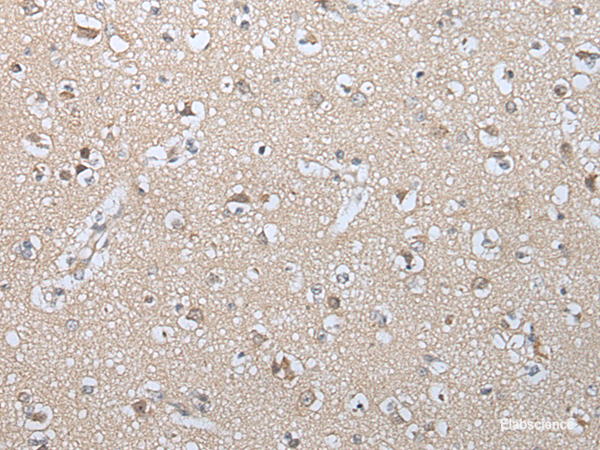
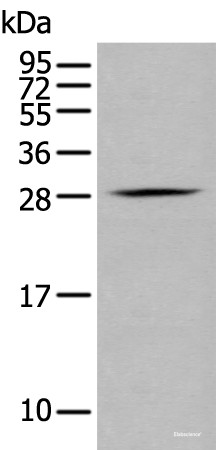
GZMM (Granzyme M) is a Protein Coding gene. Diseases associated with GZMM include Adrenal Insufficiency, Congenital, With 46Xy Sex Reversal, Partial Or Complete and Congenital Adrenal Insufficiency. Among its related pathways are Innate Immune System and Granzyme Pathway. GO annotations related to this gene include serine-type endopeptidase activity and endopeptidase activity. An important paralog of this gene is CFD.Human natural killer (NK) cells and activated lymphocytes express and store a distinct subset of neutral serine proteases together with proteoglycans and other immune effector molecules in large cytoplasmic granules. These serine proteases are collectively termed granzymes and include 4 distinct gene products: granzyme A, granzyme B, granzyme H, and the protein encoded by this gene, granzyme M. Two transcript variants encoding different isoforms have been found for this gene. Protein function: Cleaves peptide substrates after methionine, leucine, and norleucine. Physiological substrates include EZR, alpha-tubulins and the apoptosis inhibitor BIRC5/Survivin. Promotes caspase activation and subsequent apoptosis of target cells. [The UniProt Consortium]
This website uses cookies, which are necessary for the technical operation of the website and are always set. Other cookies, which increase the usability of this website, serve for direct advertising or simplify interaction with other websites and social networks, will only be used with your consent.
More information