
Cookie preferences
This website uses cookies, which are necessary for the technical operation of the website and are always set. Other cookies, which increase the comfort when using this website, are used for direct advertising or to facilitate interaction with other websites and social networks, are only set with your consent.
Configuration
Technically required
These cookies are necessary for the basic functions of the shop.
"Allow all cookies" cookie
"Decline all cookies" cookie
CSRF token
Cookie preferences
Currency change
Customer-specific caching
FACT-Finder tracking
Individual prices
Selected shop
Session
Comfort functions
These cookies are used to make the shopping experience even more appealing, for example for the recognition of the visitor.
Note
Show the facebook fanpage in the right blod sidebar
Statistics & Tracking
Affiliate program
Conversion and usertracking via Google Tag Manager
Track device being used


| Item number | Size | Datasheet | Manual | SDS | Delivery time | Quantity | Price |
|---|---|---|---|---|---|---|---|
| NSJ-FY12815 | 100 µl | - | - |
3 - 10 business days* |
790.00€
|
If you have any questions, please use our Contact Form.
You can also order by e-mail: info@biomol.com
Larger quantity required? Request bulk
You can also order by e-mail: info@biomol.com
Larger quantity required? Request bulk
Rabbit IgG in phosphate buffered saline, pH 7.4, 150mM NaCl, 0.02% sodium azide and 50% glycerol,... more
Product information "Anti-CTNND2 / Delta 2 Catenin, clone 31C89"
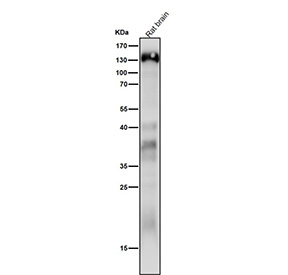
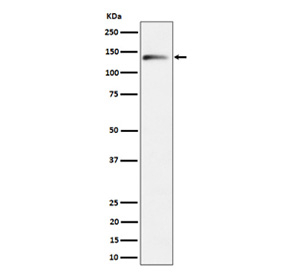
Rabbit IgG in phosphate buffered saline, pH 7.4, 150mM NaCl, 0.02% sodium azide and 50% glycerol, 0.4-0.5mg/ml BSA. CTNND2 antibody detects catenin delta 2, also known as delta 2 catenin, encoded by the CTNND2 gene. Other identifiers include NPRAP, neural plakophilin related armadillo protein, and ARVD2 catenin. CTNND2 is a member of the armadillo catenin family, which function as scaffolding proteins in cell adhesion and signaling. Structurally, CTNND2 contains multiple armadillo repeats that mediate interactions with cadherins, actin cytoskeleton, and signaling molecules. Delta 2 catenin is highly expressed in the nervous system, where it regulates dendritic spine morphogenesis, synaptic adhesion, and plasticity.CTNND2 antibody is widely applied in neuroscience, developmental biology, and cancer research. In neurons, delta 2 catenin links cadherins to cytoskeletal networks, stabilizing synaptic contacts and influencing learning and memory. CTNND2 mutations are associated with intellectual disability, autism spectrum disorder, and Alzheimer disease. By detecting CTNND2, researchers can investigate how adhesion and signaling complexes shape neuronal connectivity and cognition.Applications of CTNND2 antibody include western blotting, immunohistochemistry, and immunofluorescence. Western blot assays detect CTNND2 protein in neuronal lysates, immunohistochemistry maps expression in brain regions such as hippocampus and cortex, and immunofluorescence highlights localization at dendritic spines. These assays provide strong tools for evaluating CTNND2 in neural development and disease.Beyond neuroscience, CTNND2 is implicated in cancer biology. Delta 2 catenin expression has been reported in prostate, lung, and colorectal cancers, where it modulates Wnt signaling and epithelial mesenchymal transition. By applying CTNND2 antibody, scientists can study how altered adhesion and signaling contribute to tumor progression. The protein's dual role in adhesion and transcriptional regulation makes it relevant across fields.CTNND2 interacts with cadherins, beta catenin, and small GTPases, integrating adhesion complexes with cytoskeletal remodeling. Loss of CTNND2 disrupts synaptic stability, while overexpression promotes abnormal signaling. These mechanisms underline its importance in both development and disease. Antibody based detection enables detailed analysis of these molecular interactions.Therapeutically, CTNND2 is a candidate biomarker for neurodevelopmental disorders and certain cancers. Its role in synaptic function and adhesion highlights potential as a diagnostic marker. CTNND2 antibody from NSJ Bioreagents offers reliable specificity, ensuring accurate detection of this armadillo protein in both fundamental and translational studies.
| Keywords: | Anti-GT24, Anti-CTNND2, Anti-Neurojungin, Anti-Delta-catenin, Anti-Catenin delta-2, Anti-Neural plakophilin-related ARM-repeat protein, CTNND2 Antibody / Delta 2 Catenin |
| Supplier: | NSJ Bioreagents |
| Supplier-Nr: | FY12815 |
Properties
| Application: | WB, ICC, IF |
| Antibody Type: | Monoclonal |
| Clone: | 31C89 |
| Conjugate: | No |
| Host: | Rabbit |
| Species reactivity: | mouse, rat |
| Immunogen: | A synthesized peptide derived from human delta 2 Catenin |
| Format: | Purified |
Database Information
| KEGG ID : | K23491 | Matching products |
| UniProt ID : | Q9UQB3 | Matching products |
| Gene ID : | GeneID 1501 | Matching products |
Handling & Safety
| Storage: | -20°C |
| Shipping: | -20°C (International: -20°C) |
Caution
Our products are for laboratory research use only: Not for administration to humans!
Our products are for laboratory research use only: Not for administration to humans!
Information about the product reference will follow.
more
You will get a certificate here
Viewed