This website uses cookies, which are necessary for the technical operation of the website and are always set. Other cookies, which increase the comfort when using this website, are used for direct advertising or to facilitate interaction with other websites and social networks, are only set with your consent.
Configuration
Technically required
These cookies are necessary for the basic functions of the shop.
"Allow all cookies" cookie
"Decline all cookies" cookie
CSRF token
Cookie preferences
Currency change
Customer-specific caching
FACT-Finder tracking
Individual prices
Selected shop
Session
Comfort functions
These cookies are used to make the shopping experience even more appealing, for example for the recognition of the visitor.
Note
Show the facebook fanpage in the right blod sidebar
Statistics & Tracking
Affiliate program
Conversion and usertracking via Google Tag Manager
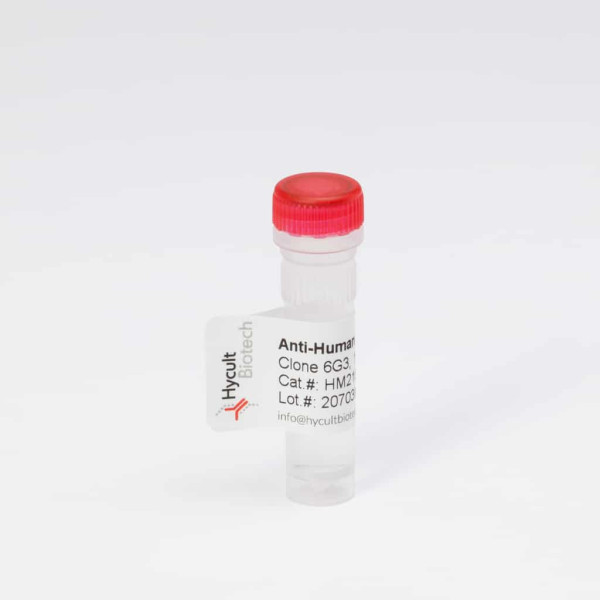
Protein Function: Precursor of the C5a anaphylatoxin and complement C5b components of the complement pathways, which consist in a cascade of proteins that leads to phagocytosis and breakdown of pathogens and signaling that strengthens the adaptive immune system (PubMed:12878586, PubMed:18204047, PubMed:30643019, PubMed:6554279). Activated downstream of classical, alternative, lectin and GZMK complement pathways (PubMed:12878586, PubMed:18204047, PubMed:30643019, PubMed:6554279) , Component of the membrane attack complex (MAC), a multiprotein complex activated by the complement cascade, which inserts into a target cell membrane and forms a pore, leading to target cell membrane rupture and cell lysis (PubMed:26841837, PubMed:27052168, PubMed:30552328, PubMed:30643019). Complement C5b is generated following cleavage by C5 convertase and initiates formation of the MAC complex: C5b binds sequentially C6, C7, C8 and multiple copies of the pore-forming subunit C9 (PubMed:30552328, PubMed:30643019). During MAC complex assembly, the C5b6 subcomplex, composed of complement C5b and C6, associates with the outer leaflet of target cell membrane, reducing the energy for membrane bending (PubMed:30552328, PubMed:32569291) , Mediator of local inflammatory process released following cleavage by C5 convertase (PubMed:8182049, PubMed:9553099). Acts by binding to its receptor (C5AR1 or C5AR2), activating G protein-coupled receptor signaling and inducing a variety of responses including intracellular calcium release, contraction of smooth muscle, increased vascular permeability, and histamine release from mast cells and basophilic leukocytes (PubMed:8182049, PubMed:9553099). C5a is also a potent chemokine which stimulates the locomotion of polymorphonuclear leukocytes and directs their migration toward sites of inflammation (PubMed:8182049, PubMed:9553099) [The Uniprot Consortium]
Keywords:
Anti-C5, Anti-Complement C5, Anti-C3 and PZP-like alpha-2-macroglobulin domain-containing protein 4
This website uses cookies, which are necessary for the technical operation of the website and are always set. Other cookies, which increase the usability of this website, serve for direct advertising or simplify interaction with other websites and social networks, will only be used with your consent.
More information