
This website uses cookies, which are necessary for the technical operation of the website and are always set. Other cookies, which increase the comfort when using this website, are used for direct advertising or to facilitate interaction with other websites and social networks, are only set with your consent.
Configuration
Technically required
These cookies are necessary for the basic functions of the shop.
"Allow all cookies" cookie
"Decline all cookies" cookie
CSRF token
Cookie preferences
Currency change
Customer-specific caching
FACT-Finder tracking
Individual prices
Selected shop
Session
Comfort functions
These cookies are used to make the shopping experience even more appealing, for example for the recognition of the visitor.
Note
Show the facebook fanpage in the right blod sidebar
Statistics & Tracking
Affiliate program
Conversion and usertracking via Google Tag Manager
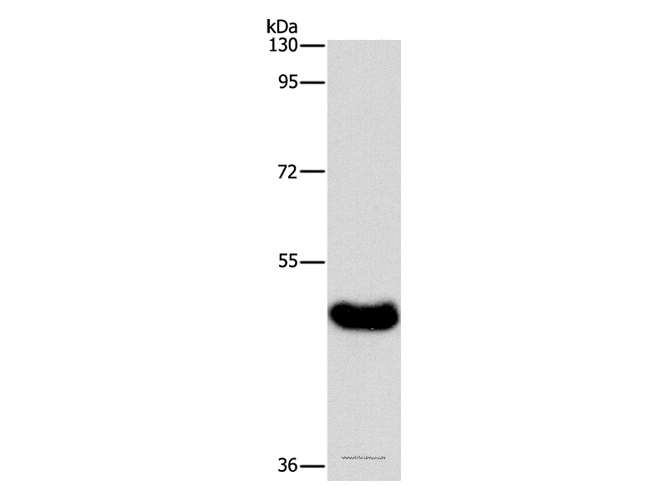
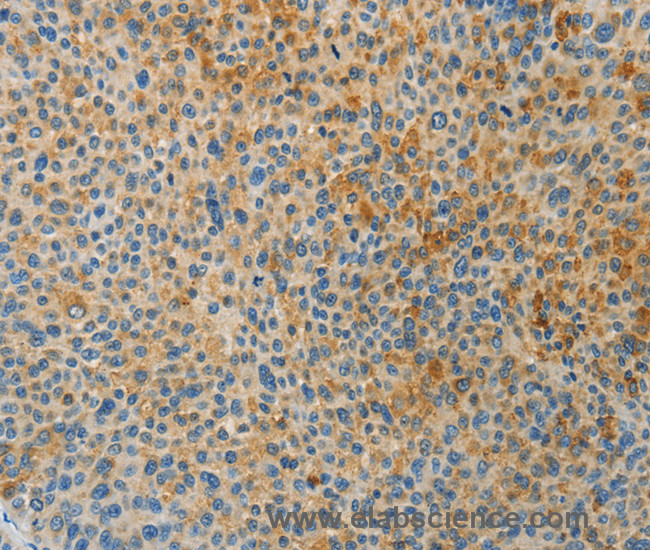
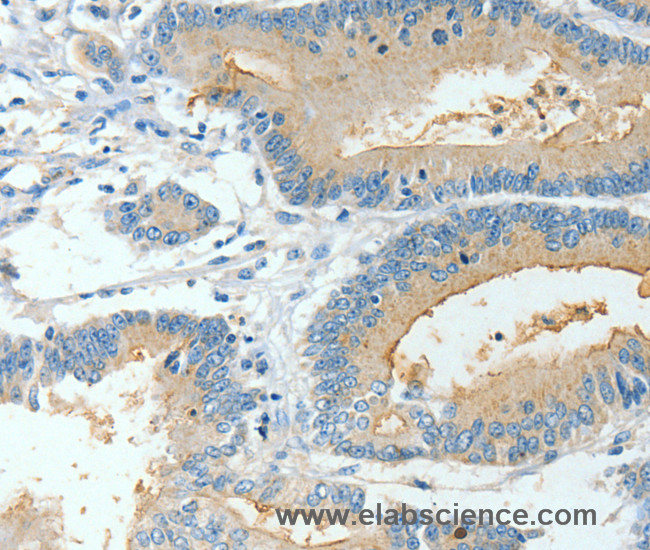
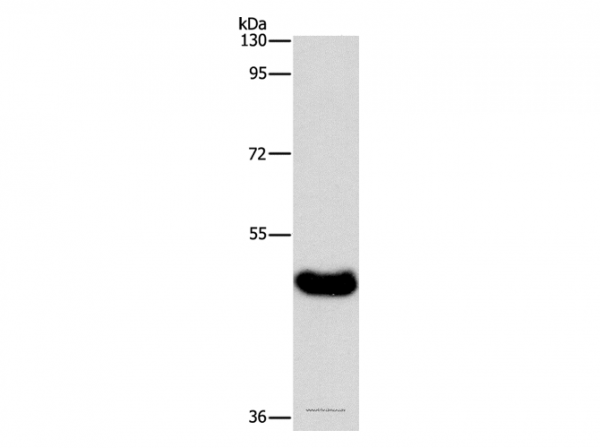
The protein encoded by this gene is a liver enzyme that catalyzes the transfer of C24 bile acids from the acyl-CoA thioester to either glycine or taurine, the second step in the formation of bile acid-amino acid conjugates. The bile acid conjugates then act as a detergent in the gastrointestinal tract, which enhances lipid and fat-soluble vitamin absorption. Defects in this gene are a cause of familial hypercholanemia (FHCA). Two transcript variants encoding the same protein have been found for this gene. Protein function: Involved in bile acid metabolism. In liver hepatocytes catalyzes the second step in the conjugation of C24 bile acids (choloneates) to glycine and taurine before excretion into bile canaliculi. The major components of bile are cholic acid and chenodeoxycholic acid. In a first step the bile acids are converted to an acyl-CoA thioester, either in peroxisomes (primary bile acids deriving from the cholesterol pathway), or cytoplasmic at the endoplasmic reticulum (secondary bile acids). May catalyze the conjugation of primary or secondary bile acids, or both. The conjugation increases the detergent properties of bile acids in the intestine, which facilitates lipid and fat-soluble vitamin absorption. In turn, bile acids are deconjugated by bacteria in the intestine and are recycled back to the liver for reconjugation (secondary bile acids). May also act as an acyl-CoA thioesterase that regulates intracellular levels of free fatty acids. In vitro, catalyzes the hydrolysis of long- and very long-chain saturated acyl-CoAs to the free fatty acid and coenzyme A (CoASH), and conjugates glycine to these acyl-CoAs. [The UniProt Consortium]
This website uses cookies, which are necessary for the technical operation of the website and are always set. Other cookies, which increase the usability of this website, serve for direct advertising or simplify interaction with other websites and social networks, will only be used with your consent.
More information