
Cookie preferences
This website uses cookies, which are necessary for the technical operation of the website and are always set. Other cookies, which increase the comfort when using this website, are used for direct advertising or to facilitate interaction with other websites and social networks, are only set with your consent.
Configuration
Technically required
These cookies are necessary for the basic functions of the shop.
"Allow all cookies" cookie
"Decline all cookies" cookie
CSRF token
Cookie preferences
Currency change
Customer-specific caching
FACT-Finder tracking
Individual prices
Selected shop
Session
Comfort functions
These cookies are used to make the shopping experience even more appealing, for example for the recognition of the visitor.
Note
Show the facebook fanpage in the right blod sidebar
Statistics & Tracking
Affiliate program
Conversion and usertracking via Google Tag Manager
Track device being used

| Item number | Size | Datasheet | Manual | SDS | Delivery time | Quantity | Price |
|---|---|---|---|---|---|---|---|
| HYC-HC4043-5mG | 5 mg | - | - |
Request delivery time estimate |
431.00€
|
If you have any questions, please use our Contact Form.
You can also order by e-mail: info@biomol.com
Larger quantity required? Request bulk
You can also order by e-mail: info@biomol.com
Larger quantity required? Request bulk
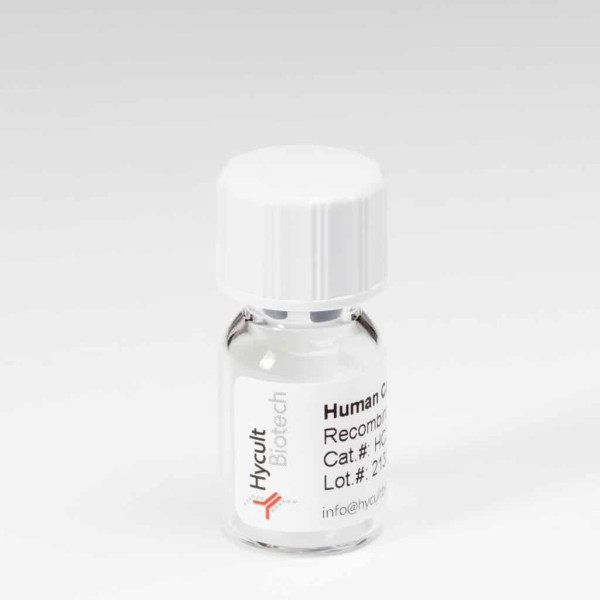
1-palmitoyl-2-arachidonoyl-sn-phosphatidylcholine (PAPC), is a naturally occuring phospholipid... more
Product information "PAPC"
1-palmitoyl-2-arachidonoyl-sn-phosphatidylcholine (PAPC), is a naturally occuring phospholipid containing polyunsaturated arachidonic acid, which is a common lipid in mammalian cell membranes and lipoproteins. PAPC can be used as an unoxidized control in experiments utilizing oxidized PAPC (OxPAPC, cat. # HC4035/HC4036). OxPAPC, is a prototypic biologically active oxidized phospholipid first isolated from LDL minimally modified by oxidation (MM-LDL). OxPAPC is an active principle of MM-LDL and mimicks several pro- and anti-inflammatory effects induced by oxidized lipoproteins. Oxidation of PAPC generates two groups of oxidized phospholipids containing either fragmented or oxygenated sn-2 residues. The best-characterized fragmented species contain a five-carbon sn-2 residue bearing omega-aldehyde or omega-carboxyl groups. Oxygenation of arachidonic acid residue produces phospholipids containing esterified isoprostanes. Both fragmented and oxygenated species can regulate immune reactions. Pro-inflammatory effects of OxPAPC induce stimulation of endothelial cells to bind monocytes and induction of tissue clotting factor, IL-8, MCP-1, G-CSF and other mediators of atherothrombosis. Anti-inflammatory effects of OxPAPC are mediated by induction of protective enzymes such as heme oxygenase-1 and suppression of innate immune responses to bacterial lipopolysaccharide (LPS) due to inhibition of LPS recognition by LPS-binding protein (LBP) and CD14. OxPAPC is active in vivo and was shown to protect mice from lethal endotoxin shock. Biological activities of OxPAPC are mediated by a variety of signal transduction mechanisms, including elevation of cAMP and Ca2+ levels, activation of MAP kinases, PI-3-kinase and small GTPases Rac-1 and Cdc42. OxPAPC-induced protein synthesis is mediated by transcription factors such as Egr-1, NFAT, CREB, PPAR-alpha, PPAR-gamma, but does not involve NFkB-dependent transcription.
| Supplier: | Hycult Biotech |
| Supplier-Nr: | HC4043 |
Properties
| Conjugate: | No |
| Species reactivity: | broad |
| Format: | Solid |
Database Information
Handling & Safety
| Storage: | -20°C |
| Shipping: | +20°C (International: °C) |
Caution
Our products are for laboratory research use only: Not for administration to humans!
Our products are for laboratory research use only: Not for administration to humans!
You will get a certificate here
Viewed