
Cookie-Einstellungen
Diese Website benutzt Cookies, die für den technischen Betrieb der Website erforderlich sind und stets gesetzt werden. Andere Cookies, die den Komfort bei Benutzung dieser Website erhöhen, der Direktwerbung dienen oder die Interaktion mit anderen Websites und sozialen Netzwerken vereinfachen sollen, werden nur mit Ihrer Zustimmung gesetzt.
Konfiguration
Technisch erforderlich
Diese Cookies sind für die Grundfunktionen des Shops notwendig.
"Alle Cookies ablehnen" Cookie
"Alle Cookies annehmen" Cookie
Ausgewählter Shop
CSRF-Token
Cookie-Einstellungen
FACT-Finder Tracking
Individuelle Preise
Kundenspezifisches Caching
Session
Währungswechsel
Komfortfunktionen
Diese Cookies werden genutzt um das Einkaufserlebnis noch ansprechender zu gestalten, beispielsweise für die Wiedererkennung des Besuchers.
Facebook-Seite in der rechten Blog - Sidebar anzeigen
Merkzettel
Statistik & Tracking
Endgeräteerkennung
Kauf- und Surfverhalten mit Google Tag Manager
Partnerprogramm

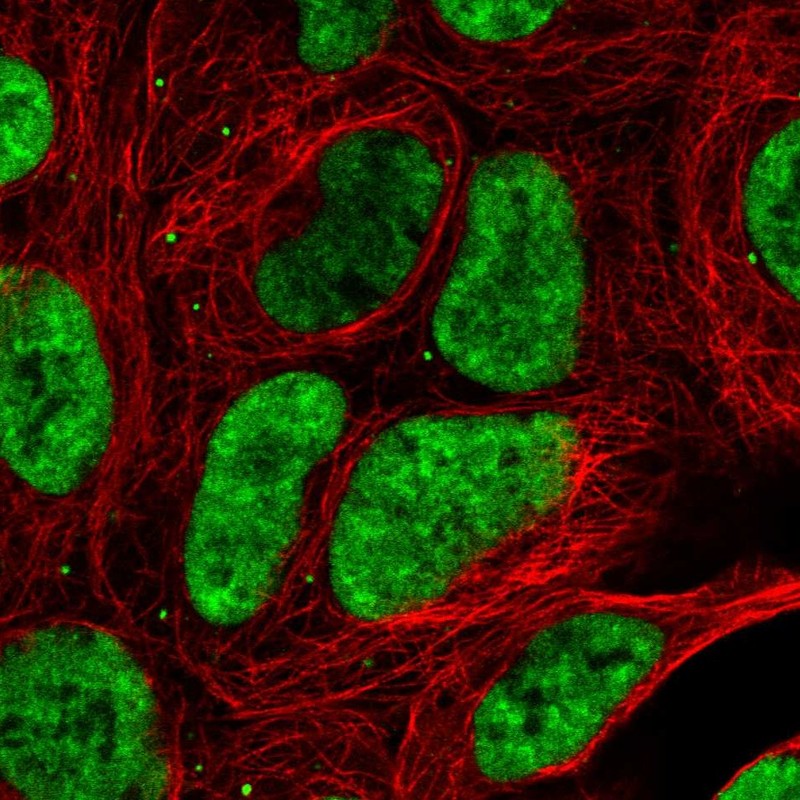
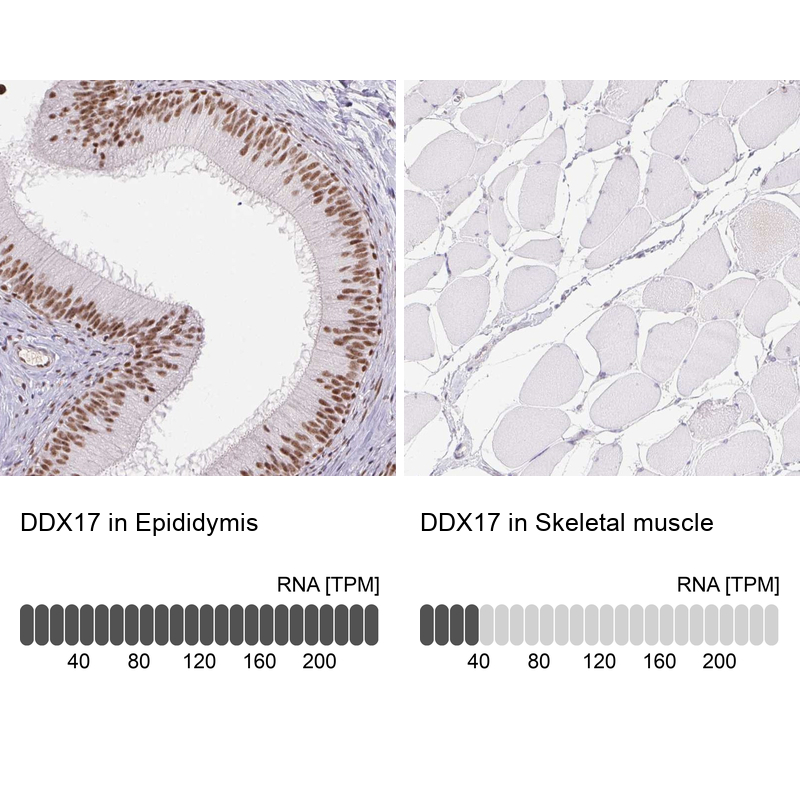
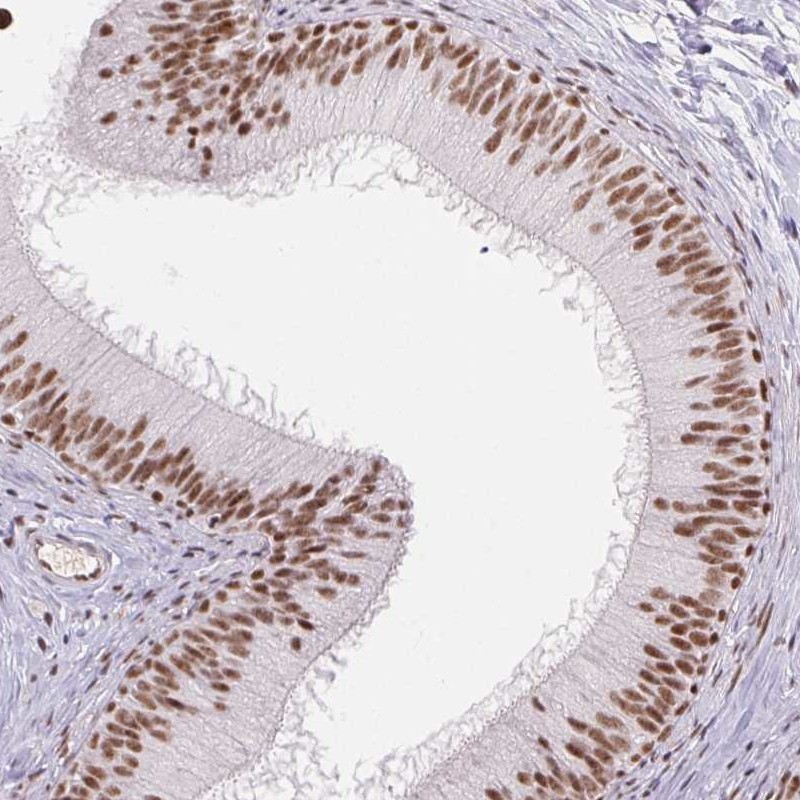
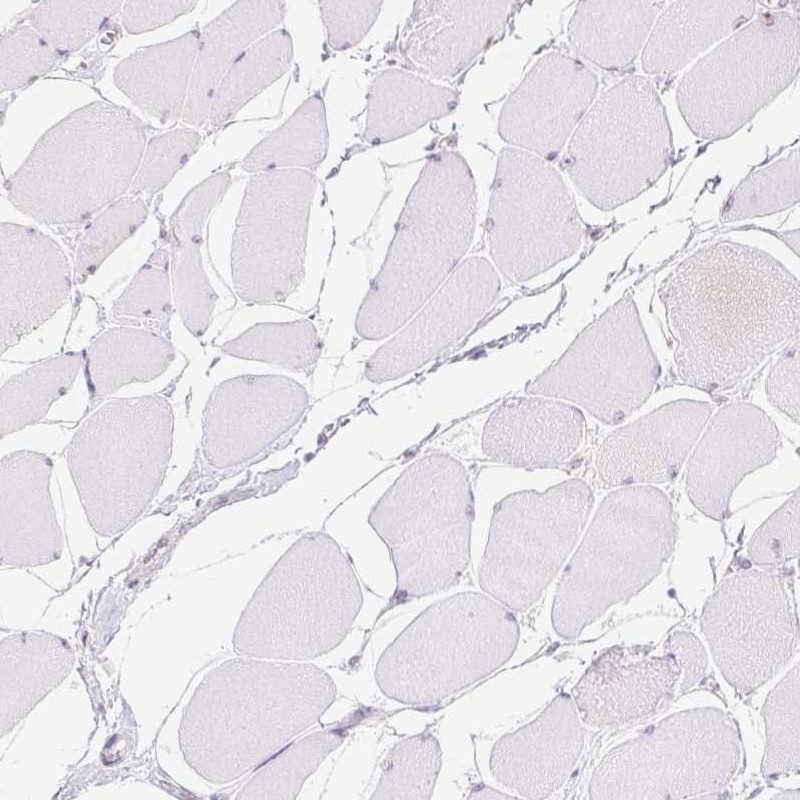
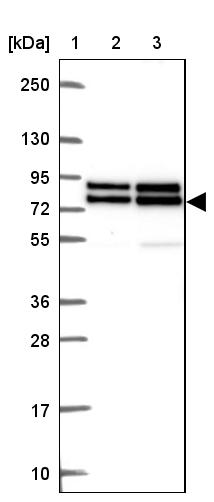
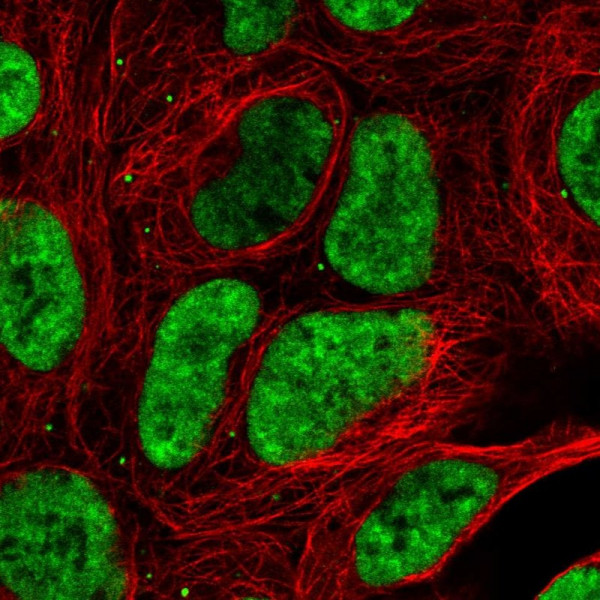


| Artikelnummer | Größe | Datenblatt | Manual | SDB | Lieferzeit | Menge | Preis |
|---|---|---|---|---|---|---|---|
| ATA-HPA063142.25 | 25 µl | - |
3 - 8 Werktage* |
330,00 €
|
|||
| ATA-HPA063142.100 | 100 µl | - |
3 - 8 Werktage* |
463,00 €
|
Bei Fragen nutzen Sie gerne unser Kontaktformular.
Bestellen Sie auch per E-Mail: info@biomol.com
Größere Menge gewünscht? Bulk-Anfrage
Bestellen Sie auch per E-Mail: info@biomol.com
Größere Menge gewünscht? Bulk-Anfrage
Protein function: As an RNA helicase, unwinds RNA and alters RNA structures through ATP binding... mehr
Produktinformationen "Anti-DDX17"
Protein function: As an RNA helicase, unwinds RNA and alters RNA structures through ATP binding and hydrolysis. Involved in multiple cellular processes, including pre-mRNA splicing, alternative splicing, ribosomal RNA processing and miRNA processing, as well as transcription regulation. Regulates the alternative splicing of exons exhibiting specific features (PubMed:12138182, PubMed:23022728, PubMed:24910439, PubMed:22266867). For instance, promotes the inclusion of AC-rich alternative exons in CD44 transcripts (PubMed:12138182). This function requires the RNA helicase activity (PubMed:12138182, PubMed:23022728, PubMed:24910439, PubMed:22266867). Affects NFAT5 and histone macro- H2A.1/MACROH2A1 alternative splicing in a CDK9-dependent manner (PubMed:26209609, PubMed:22266867). In NFAT5, promotes the introduction of alternative exon 4, which contains 2 stop codons and may target NFAT5 exon 4-containing transcripts to nonsense-mediated mRNA decay, leading to the down-regulation of NFAT5 protein (PubMed:22266867). Affects splicing of mediators of steroid hormone signaling pathway, including kinases that phosphorylates ESR1, such as CDK2, MAPK1 and GSK3B, and transcriptional regulators, such as CREBBP, MED1, NCOR1 and NCOR2. By affecting GSK3B splicing, participates in ESR1 and AR stabilization (PubMed:24275493). In myoblasts and epithelial cells, cooperates with HNRNPH1 to control the splicing of specific subsets of exons (PubMed:24910439). In addition to binding mature mRNAs, also interacts with certain pri-microRNAs, including MIR663/miR-663a, MIR99B/miR-99b, and MIR6087/miR-6087 (PubMed:25126784). Binds pri- microRNAs on the 3' segment flanking the stem loop via the 5'- [ACG]CAUC[ACU]-3' consensus sequence (PubMed:24581491). Required for the production of subsets of microRNAs, including MIR21 and MIR125B1 (PubMed:24581491, PubMed:27478153). May be involved not only in microRNA primary transcript processing, but also stabilization. Participates in MYC down-regulation at high cell density through the production of MYC-targeting microRNAs (PubMed:24581491). Along with DDX5, may be involved in the processing of the 32S intermediate into the mature 28S ribosomal RNA (PubMed:17485482). Promoter-specific transcription regulator, functioning as a coactivator or corepressor depending on the context of the promoter and the transcriptional complex in which it exists (PubMed:15298701). Enhances NFAT5 transcriptional activity (PubMed:22266867). Synergizes with TP53 in the activation of the MDM2 promoter, this activity requires acetylation on lysine residues (PubMed:17226766, PubMed:20663877, PubMed:19995069). May also coactivate MDM2 transcription through a TP53-independent pathway (PubMed:17226766). Coactivates MMP7 transcription (PubMed:17226766). Along with CTNNB1, coactivates MYC, JUN, FOSL1 and cyclin D1/CCND1 transcription (PubMed:17699760). Alone or in combination with DDX5 and/or SRA1 non-coding RNA, plays a critical role in promoting the assembly of proteins required for the formation of the transcription initiation complex and chromatin remodeling leading to coactivation of MYOD1-dependent transcription. This helicase-independent activity is required for skeletal muscle cells to properly differentiate into myotubes (PubMed:17011493, PubMed:24910439). During epithelial-to-mesenchymal transition, coregulates SMAD-dependent transcriptional activity, directly controlling key effectors of differentiation, including miRNAs which in turn directly repress its expression (PubMed:24910439). Plays a role in estrogen and testosterone signaling pathway at several levels. Mediates the use of alternative promoters in estrogen-responsive genes and regulates transcription and splicing of a large number of steroid hormone target genes (PubMed:24275493, PubMed:20406972, PubMed:20663877, PubMed:19995069). Contrary to splicing regulation activity, transcriptional coregulation of the estrogen receptor ESR1 is helicase-independent (PubMed:19718048, PubMed:24275493). Plays a role in innate immunity. Specifically restricts bunyavirus infection, including Rift Valley fever virus (RVFV) or La Crosse virus (LACV), but not vesicular stomatitis virus (VSV), in an interferon- and DROSHA- independent manner (PubMed:25126784). Binds to RVFV RNA, likely via structured viral RNA elements (PubMed:25126784). Promotes mRNA degradation mediated by the antiviral zinc-finger protein ZC3HAV1, in an ATPase-dependent manner (PubMed:18334637). [The UniProt Consortium] Buffer: 40% glycerol and PBS (pH 7.2). 0.02% sodium azide is added as preservative. Highest antigen sequence identity to mouse: 96% and to rat: 96%
| Schlagworte: | Anti-DDX17, EC=3.6.4.13, Anti-DEAD box protein 17, Anti-DEAD box protein p82, Anti-DEAD box protein p72, Anti-RNA-dependent helicase p72, Anti-Probable ATP-dependent RNA helicase DDX17 |
| Hersteller: | Atlas Antibodies |
| Hersteller-Nr: | HPA063142 |
Eigenschaften
| Anwendung: | ICC, IHC, WB, ChIP |
| Antikörper-Typ: | Polyclonal |
| Konjugat: | No |
| Wirt: | Rabbit |
| Spezies-Reaktivität: | human |
| Immunogen: | Recombinant Protein Epitope Signature Tag (PrEST) antigen sequence: GGRSRYRTTS SANNPNLMYQ DECDRRLRGV KDGGRRDSAS YRDRSETDRA GYANGSGYGS PNSAFGAQAG QYTYGQ (ATA-APrEST88018) |
Datenbank Information
| KEGG ID : | K13178 | Passende Produkte |
| UniProt ID : | Q92841 | Passende Produkte |
| Gene ID : | GeneID 10521 | Passende Produkte |
| Protein Atlas Nr. : | ENSG00000100201 |
Handhabung & Sicherheit
| Lagerung: | -20°C |
| Versand: | +20°C (International: +20°C) |
Achtung
Nur für Forschungszwecke und Laboruntersuchungen: Nicht für die Anwendung im oder am Menschen!
Nur für Forschungszwecke und Laboruntersuchungen: Nicht für die Anwendung im oder am Menschen!
Hier folgen Informationen zur Produktreferenz.
mehr
Hier kriegen Sie ein Zertifikat
Loggen Sie sich ein oder registrieren Sie sich, um Analysenzertifikate anzufordern.
Bewertungen lesen, schreiben und diskutieren... mehr
Kundenbewertungen für "Anti-DDX17"
Bewertung schreiben
Loggen Sie sich ein oder registrieren Sie sich, um eine Produktbewertung abzugeben.
Zuletzt angesehen