
Cookie-Einstellungen
Diese Website benutzt Cookies, die für den technischen Betrieb der Website erforderlich sind und stets gesetzt werden. Andere Cookies, die den Komfort bei Benutzung dieser Website erhöhen, der Direktwerbung dienen oder die Interaktion mit anderen Websites und sozialen Netzwerken vereinfachen sollen, werden nur mit Ihrer Zustimmung gesetzt.
Konfiguration
Technisch erforderlich
Diese Cookies sind für die Grundfunktionen des Shops notwendig.
"Alle Cookies ablehnen" Cookie
"Alle Cookies annehmen" Cookie
Ausgewählter Shop
CSRF-Token
Cookie-Einstellungen
FACT-Finder Tracking
Individuelle Preise
Kundenspezifisches Caching
Session
Währungswechsel
Komfortfunktionen
Diese Cookies werden genutzt um das Einkaufserlebnis noch ansprechender zu gestalten, beispielsweise für die Wiedererkennung des Besuchers.
Facebook-Seite in der rechten Blog - Sidebar anzeigen
Merkzettel
Statistik & Tracking
Endgeräteerkennung
Kauf- und Surfverhalten mit Google Tag Manager
Partnerprogramm



Bitte füllen Sie das Material Transfer Agreement (MTA) aus und reichen Sie es zusammen mit Ihrer Bestellung ein. Für alle kommerziellen Anwendungen füllen Sie bitte das Formular zur beabsichtigten Verwendung aus.
| Artikelnummer | Größe | Datenblatt | Manual | SDB | Lieferzeit | Menge | Preis |
|---|---|---|---|---|---|---|---|
| CYT-305309 | 1 each | - |
3 - 8 Werktage* |
430,00 €
|
Bei Fragen nutzen Sie gerne unser Kontaktformular.
Bestellen Sie auch per E-Mail: info@biomol.com
Größere Menge gewünscht? Bulk-Anfrage
Bestellen Sie auch per E-Mail: info@biomol.com
Größere Menge gewünscht? Bulk-Anfrage
Categories: Pancreas cancer cell lines Description: The HPAC cell line, derived from human... mehr
Produktinformationen "HPAC Cells"
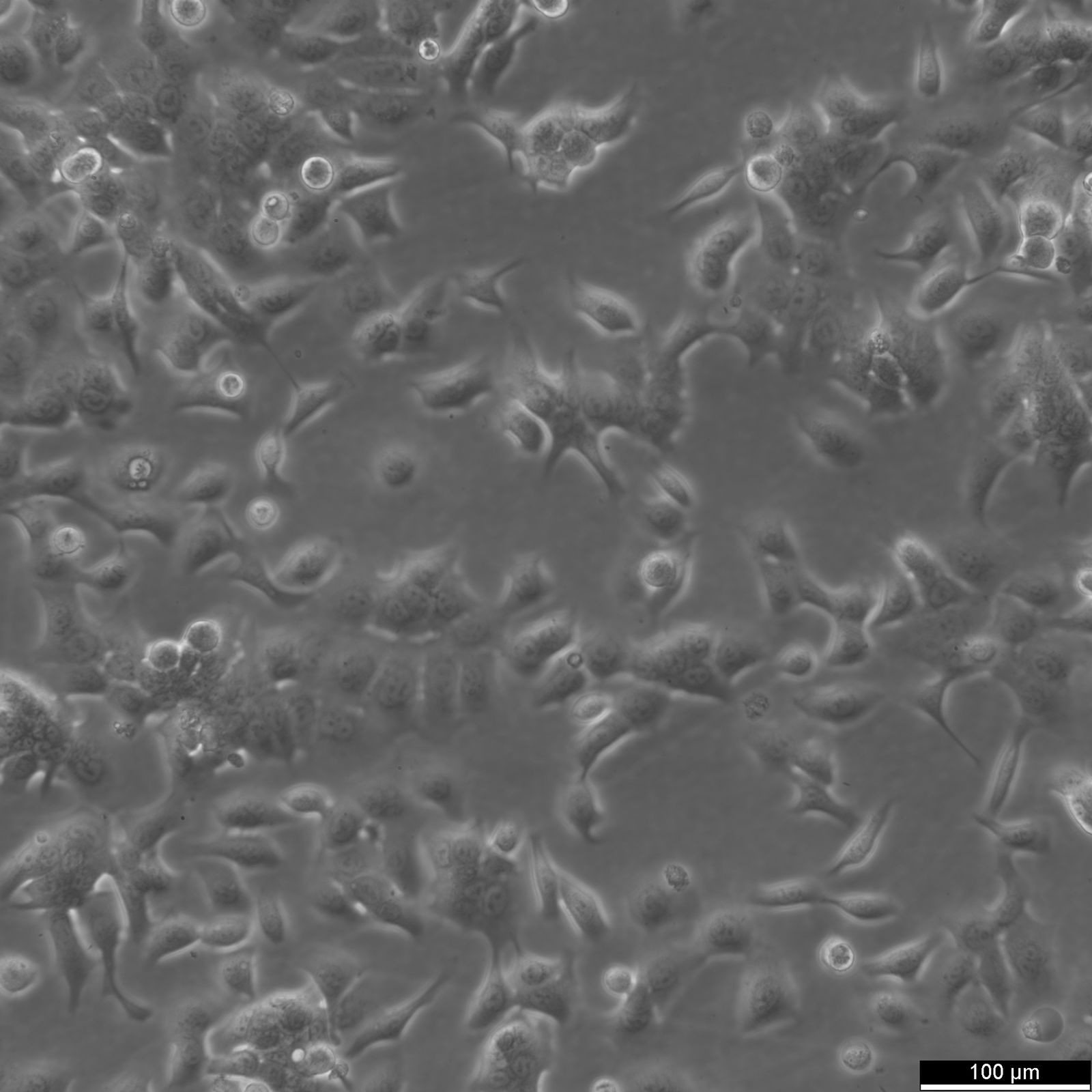
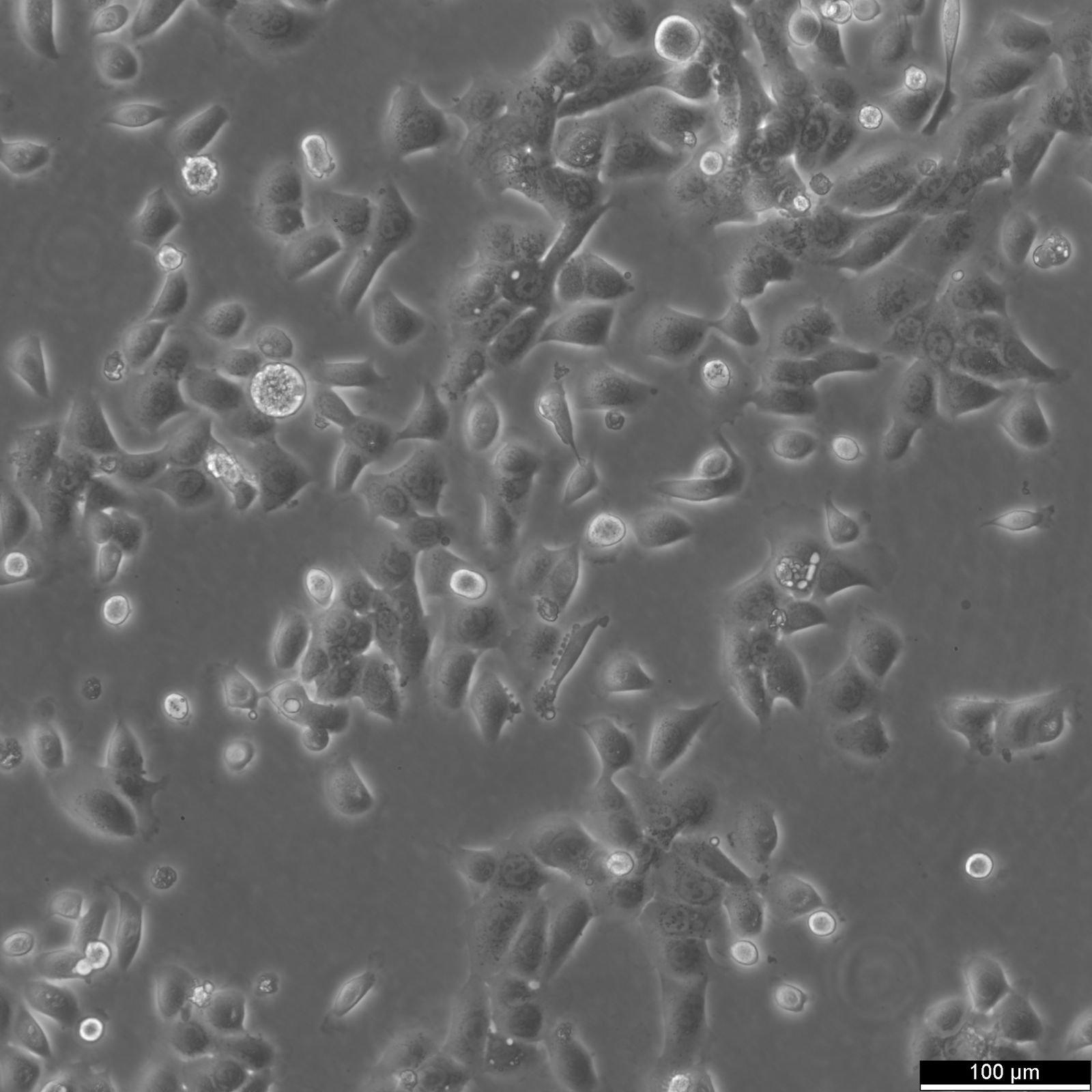
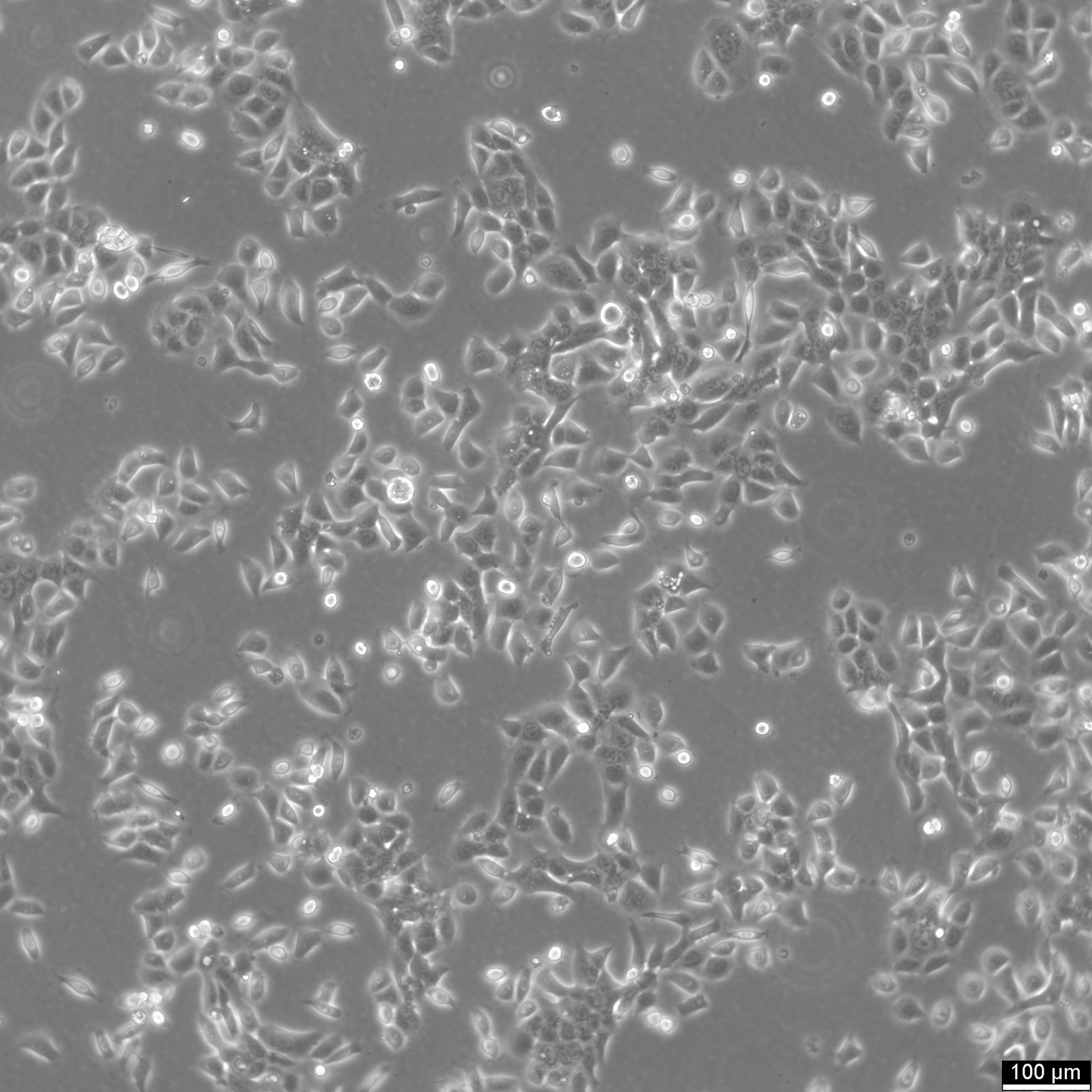
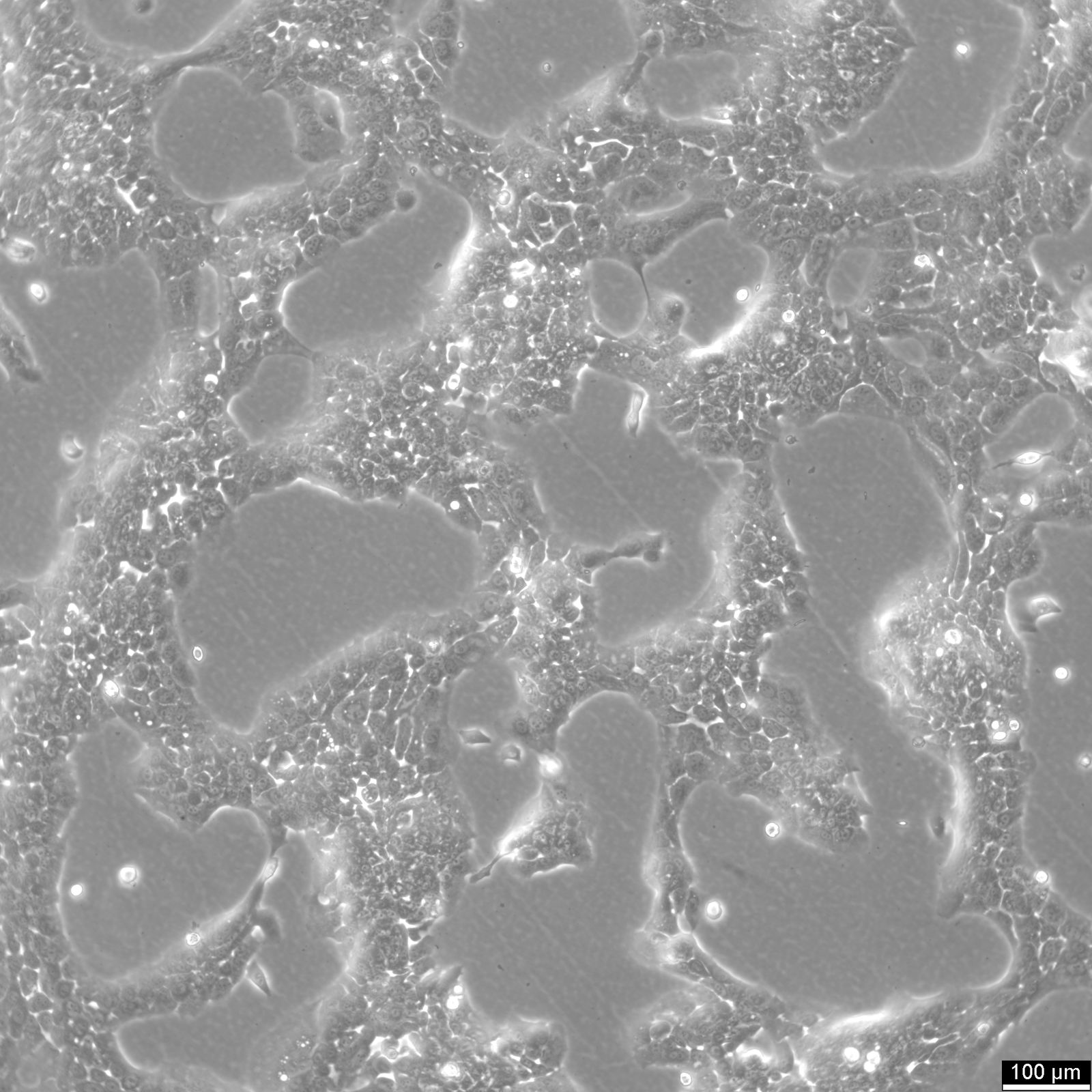
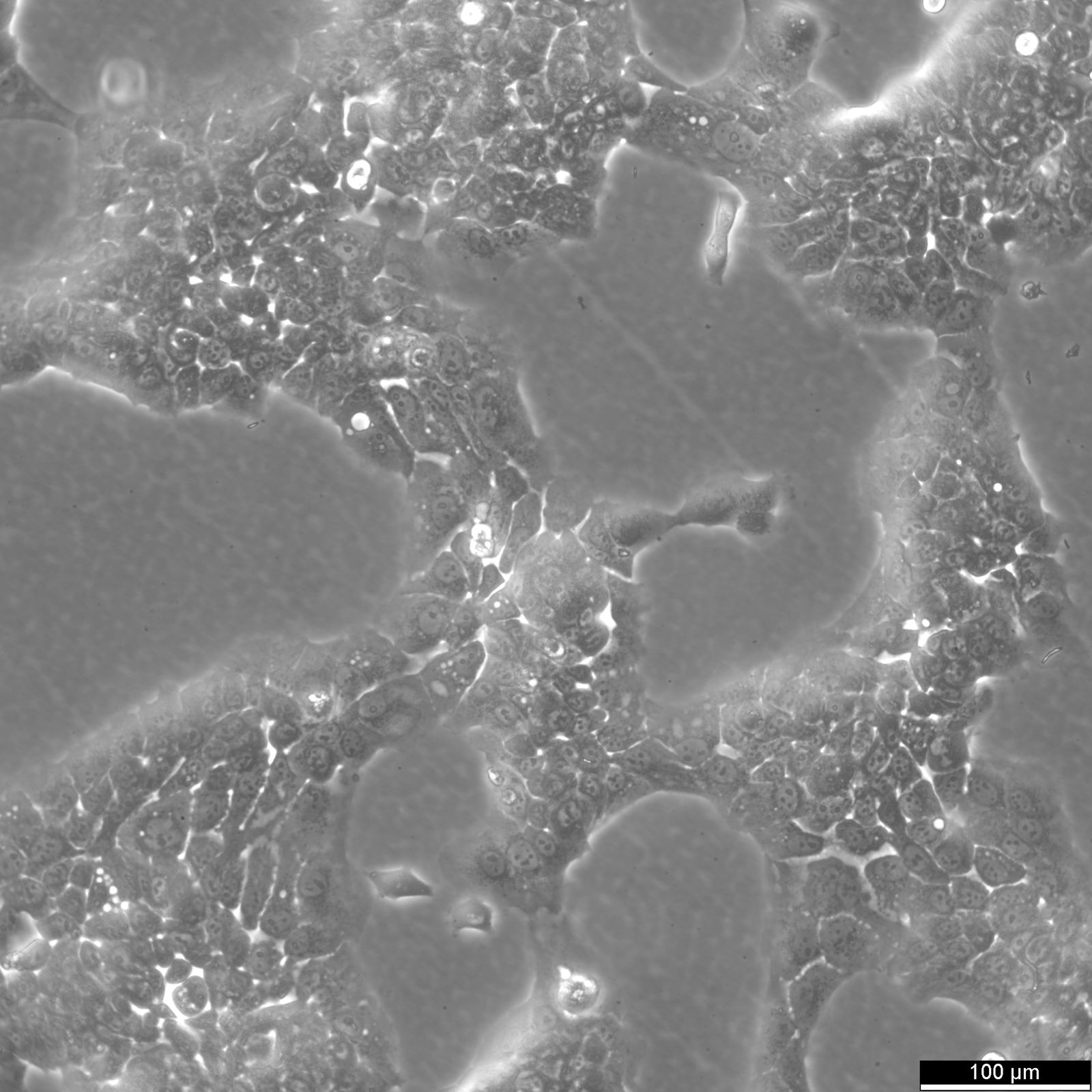
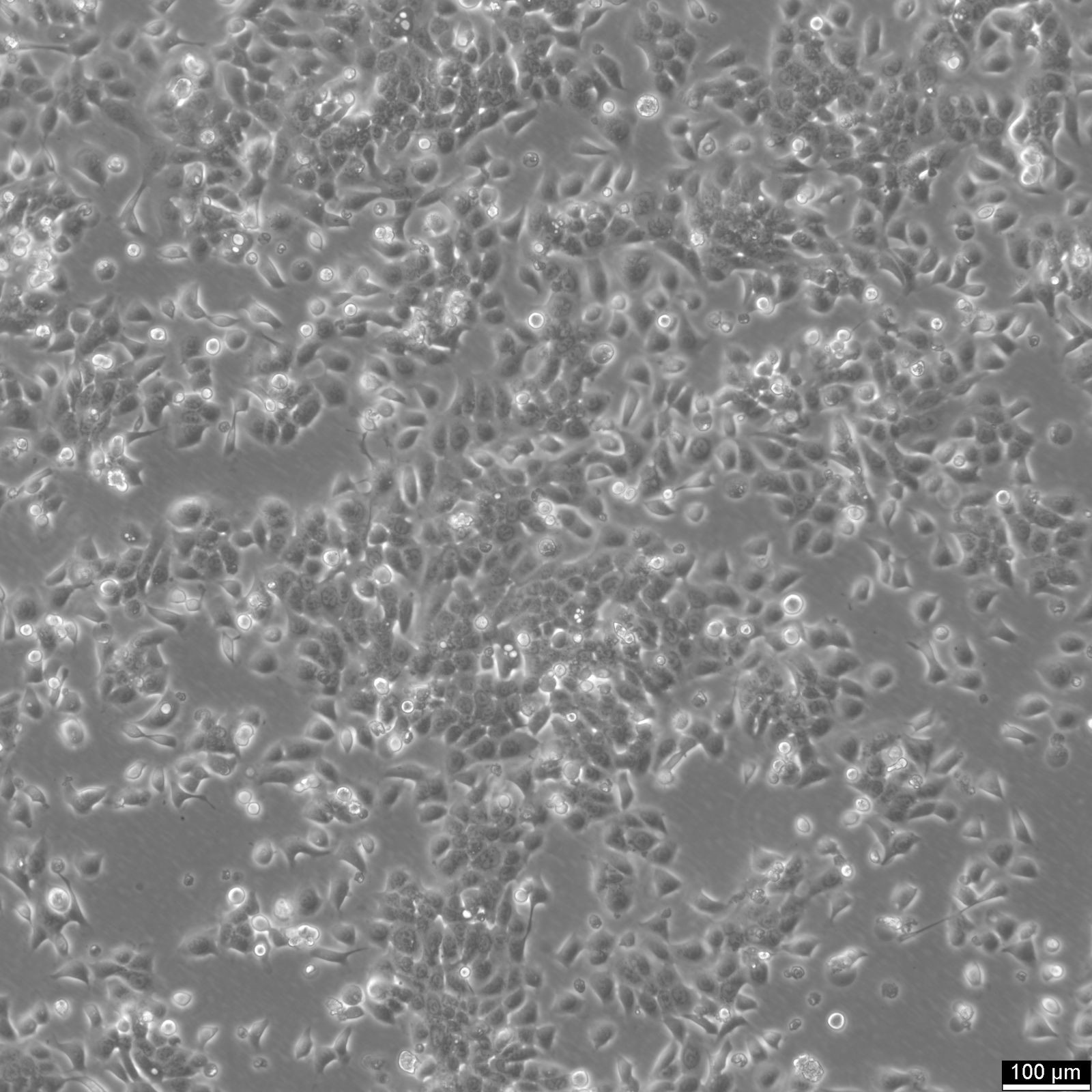
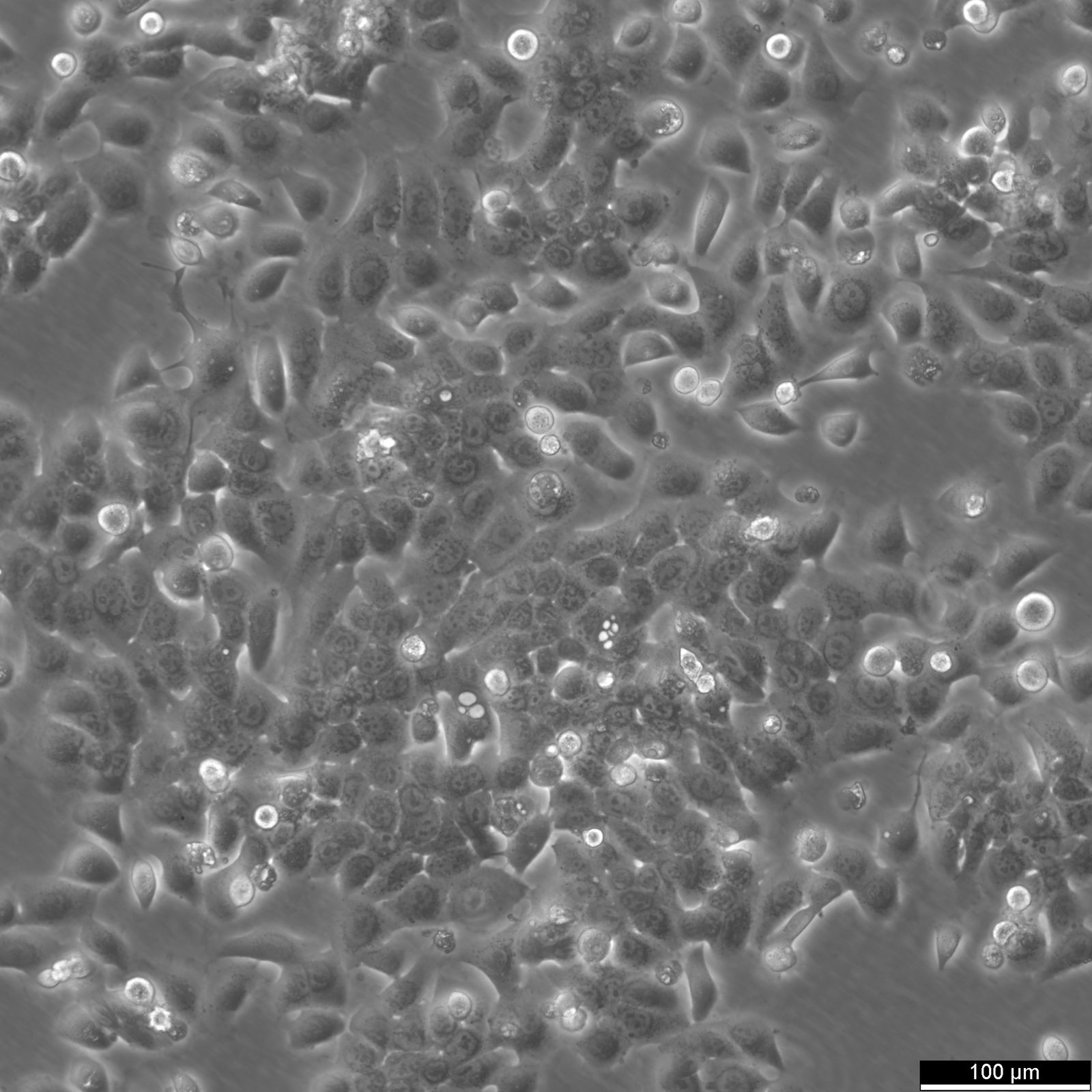
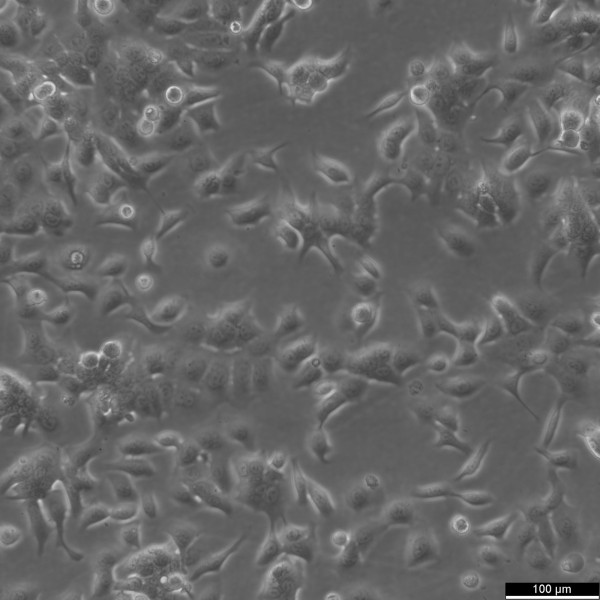
Categories: Pancreas cancer cell lines Description: The HPAC cell line, derived from human pancreatic ductal adenocarcinoma, serves as an essential model for studying pancreatic cancer's molecular and cellular characteristics. Known for its utility in evaluating the impact of various chemotherapeutic agents and signaling pathways, HPAC cells exhibit key features typical of pancreatic cancer, including resistance mechanisms. Recent studies involving HPAC have focused on understanding drug resistance, particularly to erlotinib, a tyrosine kinase inhibitor that targets the epidermal growth factor receptor (EGFR). Research has demonstrated that resistance to erlotinib in HPAC cells is associated with significant metabolic alterations, such as changes in phospholipid and amino acid metabolism. Specifically, increased levels of short-chain acylcarnitines and changes in glycerophospholipid profiles have been linked to an elevated metabolic state in erlotinib-resistant HPAC cells. HPAC cells also express matrix metalloproteinases (MMPs), particularly MT1-MMP, which is crucial for their invasive behavior. The Wnt/beta-catenin signaling pathway has been implicated in regulating MMP expression, contributing to the cell's migration and invasion potential. The application of compounds like matrine has been shown to inhibit HPAC cell migration by downregulating MT1-MMP through the suppression of Wnt/beta-catenin signaling. These attributes highlight HPAC as a pivotal cell line for exploring therapeutic interventions aimed at mitigating pancreatic cancer's aggressive and treatment-resistant nature. Organism: Human Tissue: Pancreas Disease: Adenocarcinoma Synonyms: Hpac Age: 64 years Gender: Female Ethnicity: Caucasian Morphology: Epithelial-like Cell Type: Pancreatic ductal cell Growth Properties: Adherent Citation: HPAC (Cytion catalog number 305309) Biosafety Level: 1 Ncbi_ Taxid: 9606.0 Cellosaurus Accession: CVCL_3517 Protein Expression: Genes expressed: keratin positive, vimentin negative, chromogranin A negative Epidermal growth factor (EGF), expressed, glucocorticoid, expressed, epidermal growth factor (EGF), glucocorticoid Tumorigenic: Yes, in athymic mice Mutational Profile: Mutation: CDKN2A, p.Glu120Ter (c.358G>T), homozygous, Mutation: KRAS, p.Gly12Asp (c.35G>A), Mutation: TP53 Culture Medium: DMEM:Ham's F12, 1.2 g/L sodium bicarbonate, 2.5 mM L-glutamine, 15 mM HEPES, 0.5 mM sodium pyruvate (0.002 mg/ml insulin, 0.005 mg/ml transferrin) ITS+, 40 ng/ml hydrocortisone, 10 ng/ml mouse epidermal growth factor (Fisher Scientific cat# CB-40010) Supplements: Supplement the medium with 5% FBS Dissociation Reagent: Accutase Subculturing: Remove the old medium from the adherent cells and wash them with PBS that lacks calcium and magnesium. For T25 flasks, use 3-5 ml of PBS, and for T75 flasks, use 5-10 ml. Then, cover the cells completely with Accutase, using 1-2 ml for T25 flasks and 2.5 ml for T75 flasks. Let the cells incubate at room temperature for 8-10 minutes to detach them. After incubation, gently mix the cells with 10 ml of medium to resuspend them, then centrifuge at 300xg for 3 minutes. Discard the supernatant, resuspend the cells in fresh medium, and transfer them into new flasks that already contain fresh medium. Fluid Renewal: 2 to 3 times per week Freeze Medium: As a cryopreservation medium, use complete growth medium (including FBS) + 10% DMSO for adequate post-thaw viability, or CM-1 (Cytion catalog number 800100), which includes optimized osmoprotectants and metabolic stabilizers to enhance recovery and reduce cryo-induced stress. Thawing And Culturing Cells: Confirm that the vial remains deeply frozen upon delivery, as cells are shipped on dry ice to maintain optimal temperatures during transit. Upon receipt, either store the cryovial immediately at temperatures below -150°C to ensure the preservation of cellular integrity, or proceed to step 3 if immediate culturing is required. For immediate culturing, swiftly thaw the vial by immersing it in a 37°C water bath with clean water and an antimicrobial agent, agitating gently for 40-60 seconds until a small ice clump remains. Perform all subsequent steps under sterile conditions in a flow hood, disinfecting the cryovial with 70% ethanol before opening. Carefully open the disinfected vial and transfer the cell suspension into a 15 ml centrifuge tube containing 8 ml of room-temperature culture medium, mixing gently. Centrifuge the mixture at 300 x g for 3 minutes to separate the cells and carefully discard the supernatant containing residual freezing medium. Gently resuspend the cell pellet in 10 ml of fresh culture medium. For adherent cells, divide the suspension between two T25 culture flasks, for suspension cultures, transfer all the medium into one T25 flask to promote effective cell interaction and growth. Adhere to established subculture protocols for continued growth and maintenance of the cell line, ensuring reliable experimental outcomes. Sterility: Mycoplasma contamination is excluded using both PCR-based assays and luminescence-based mycoplasma detection methods. To ensure there is no bacterial, fungal, or yeast contamination, cell cultures are subjected to daily visual inspections. Safety Precautions: When planning to store a cryovial in liquid nitrogen for future thawing, it is mandatory to adhere to stringent safety measures. Appropriate protective gloves and clothing are essential, and the use of a face mask or safety goggles is required during the transfer of frozen samples to or from the liquid nitrogen tank. This is to mitigate the risk of injury from potential cryovial explosions upon removal, which can result in the projection of sharp fragments. Warranty: We stand by the promise of delivering products with high cell viability and robust culture performance. To achieve the best results, please make sure you follow the storage and culture instructions detailed in the product information sheet closely. Your adherence to these guidelines is key to success. Subject To Material Transfer Agreements: If you intend to use Cytion cell lines solely for internal research at a single research site, please complete and sign our Material Transfer Agreement (MTA) and submit it along with your order.For any commercial applications - including but not limited to fee-for-service work, quality control testing, product release, diagnostic use, or regulatory studies - please complete the Intended Use Form so we can prepare a suitable agreement tailored to your project.Please note: The MTA applies only to certain cell lines. If this notice and the MTA document appear on a product page, the agreement is applicable. For cell lines not covered by the MTA, no reference to the agreement will be shown. The MTA is not valid for customers in the Americas, China, or Taiwan. Please contact our U.S. entity to receive the appropriate agreement. Required Product 1: 820400a Required Product 3: 860015.0 Required Product 4: 830100.0
| Hersteller: | Cytion |
| Hersteller-Nr: | 305309 |
Eigenschaften
| Wirt: | Human |
| Spezies-Reaktivität: | human |
Datenbank Information
Handhabung & Sicherheit
| Lagerung: | Liquid nitrogen |
| Versand: | -80°C (International: -80°C) |
Achtung
Nur für Forschungszwecke und Laboruntersuchungen: Nicht für die Anwendung im oder am Menschen!
Nur für Forschungszwecke und Laboruntersuchungen: Nicht für die Anwendung im oder am Menschen!
Hier kriegen Sie ein Zertifikat
Loggen Sie sich ein oder registrieren Sie sich, um Analysenzertifikate anzufordern.
Bewertungen lesen, schreiben und diskutieren... mehr
Kundenbewertungen für "HPAC Cells"
Bewertung schreiben
Loggen Sie sich ein oder registrieren Sie sich, um eine Produktbewertung abzugeben.
Zuletzt angesehen